

There are weeknight dinners that feel like a compromise — something you make because it is fast and easy and you are tired and just need food on the table.
And then there are weeknight dinners that feel like a genuine occasion. Something that looks beautiful, smells incredible while it is cooking, and tastes like you ordered it at a proper restaurant — even though it took twenty minutes and one pan.
This lemon garlic shrimp pasta is firmly in the second category.
Plump, perfectly cooked shrimp tossed with al dente pasta in a bright, buttery sauce built from fresh garlic, lemon, white wine, and a generous handful of fresh parsley. It is the kind of dish that makes people look up from their plates and say something. The kind of dinner that feels special on a Tuesday night without requiring any special effort.
Twenty minutes. One pan for the sauce. One pot for the pasta. Dinner that tastes like it came from an Italian coastal restaurant.
This is the recipe you make when you want something genuinely good without trying too hard. 🙂
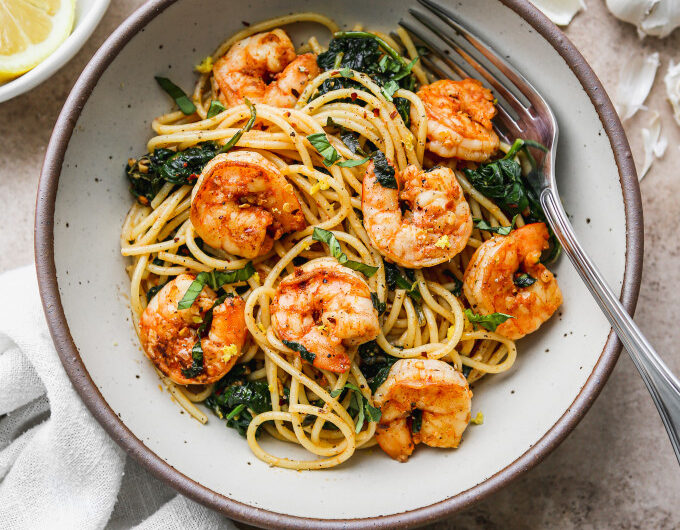
Table of Contents
Lemon Garlic Shrimp Pasta (Easy, Fresh & Ready in 20 Minutes)
Course: Dinner, LunchCuisine: Italian, AmericanDifficulty: Easy4
servings5
minutes15
minutes420
kcalIngredients
500g large raw shrimp, peeled and deveined
Salt and black pepper to taste
Pinch of red chili flakes
1 tbsp olive oil
1 tbsp unsalted butter
- For the sauce:
3 tbsp unsalted butter
2 tbsp extra virgin olive oil
5 cloves garlic, thinly sliced
½ tsp red chili flakes (adjust to taste)
Zest of 1 large lemon
½ cup dry white wine (Pinot Grigio or Sauvignon Blanc)
¼ cup low sodium chicken stock
Juice of 1 large lemon (approximately 3 tbsp)
Salt and black pepper to taste
- For the pasta:
350g linguine or spaghetti
1 cup reserved pasta water
- To finish:
Large handful fresh flat leaf parsley, roughly chopped
Freshly grated Parmigiano-Reggiano for serving
Extra lemon wedges for serving
Directions
- Bring a large pot of generously salted water to a boil — it should taste like mild sea water. Cook linguine according to package instructions minus 2 minutes for al dente texture. Before draining reserve 1 full cup of pasta water. Drain and set aside.
- While pasta cooks prepare the shrimp — pat completely dry with paper towel. Season with salt, black pepper, and a pinch of red chili flakes. Toss to coat evenly.
- Heat a large skillet over medium-high heat. Add olive oil and butter. When butter is melted and foaming add shrimp in a single layer — do not crowd. Cook 2–3 minutes until pink and golden on the bottom. Flip and cook 30–60 seconds until just cooked through and curled into a loose C shape. Remove from pan immediately and set aside. Do not wipe the pan.
- Reduce heat to medium. Add remaining butter and olive oil to the same pan. Add sliced garlic and red chili flakes. Cook 60–90 seconds stirring constantly until fragrant and just beginning to turn golden at the edges. Watch carefully — do not let it burn.
Add lemon zest. Cook 30 seconds stirring constantly. - Add white wine — it will sizzle dramatically. Use a wooden spoon to scrape up all the browned bits from the bottom of the pan. Let wine reduce by half — approximately 2 minutes.
- Add chicken stock. Simmer for 1 minute until slightly reduced.
- Add fresh lemon juice. Stir through. Taste the sauce and adjust salt if needed.
- Add drained pasta directly to the pan using tongs — some pasta water will come with it. Toss to coat in the sauce. Add reserved pasta water a splash at a time tossing between each addition until the sauce is silky and coats every strand evenly. Use as much pasta water as needed — usually 3–4 tablespoons.
- Remove from heat. Add remaining tablespoon of butter and toss until melted and emulsified into the sauce.
- Return shrimp to the pan. Toss gently for 30 seconds to warm through. Add fresh parsley and toss again.
- Serve immediately in warm bowls. Finish with freshly grated parmesan, extra lemon wedges, and a small drizzle of good olive oil. Serve with crusty bread to catch the sauce.
Why This Recipe Works So Well
The Sauce Comes Together in the Same Pan as the Shrimp
The genius of this recipe is that the sauce builds directly from the flavors left in the pan after cooking the shrimp. When you sear shrimp in butter and olive oil the pan develops a layer of deeply flavorful browned bits — fond — that dissolves into the sauce when you add white wine and lemon juice creating an instant depth of flavor that would take hours to develop any other way. This is restaurant technique made accessible in a home kitchen and it is why this pasta tastes significantly more complex than its simple ingredient list suggests.
Shrimp Cook in Three Minutes
Shrimp are the fastest-cooking protein in existence and this is one of their greatest advantages in a weeknight recipe. From raw to perfectly cooked takes approximately two to three minutes per side — which means by the time your pasta has finished cooking your shrimp are done and the sauce is built and dinner is literally ready. No waiting. No checking. No anxiety about whether something is cooked through. Shrimp tell you exactly when they are done — they curl and turn pink and opaque — and they go from raw to overcooked in about sixty extra seconds so the timing is self-regulating once you know what to look for.
The Lemon Does Something Extraordinary to This Dish
Lemon in pasta is not just flavoring — it is a structural element of the sauce. The acidity of fresh lemon juice brightens every other flavor in the dish and creates a clean, vivid quality that makes the shrimp taste sweeter, the garlic taste more aromatic, and the butter taste richer by contrast. Without lemon this pasta is good. With lemon it is extraordinary. The zest — which most people add and then stop — adds an aromatic citrus oil quality that is completely different from the juice and layers the lemon flavor into something genuinely complex and sophisticated.
What Goes Into This Recipe
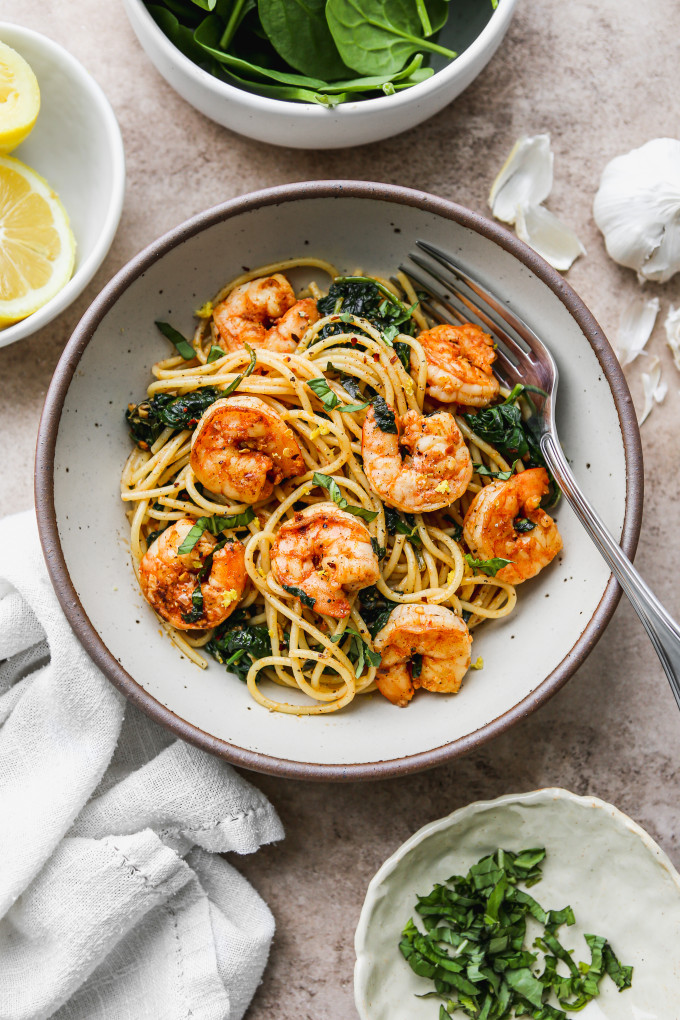
Shrimp — the star of the dish and the ingredient that deserves the most attention when shopping. Large or jumbo shrimp work best — they hold their shape on the heat and have enough substance to stand up to the bold garlic and lemon sauce without getting lost. Peel and devein before cooking — the shell and vein both affect the flavor and texture of the finished dish. Fresh shrimp from a fishmonger is the best option but frozen shrimp thawed overnight in the fridge is an excellent and more practical alternative for most people. Look for shrimp that smell clean and oceanic — not fishy or ammonia-like which indicates age or poor handling. Pat completely dry with paper towel before cooking — wet shrimp steam rather than sear and never develop the beautiful golden color that makes them look and taste so good.
Pasta — linguine is the classic pairing with shrimp in a light olive oil and butter sauce — the long, slightly flat strands wrap around the shrimp and carry the sauce beautifully. Spaghetti works equally well. Fettuccine is a slightly richer, wider option that works particularly well with a creamier version of this sauce. For a lighter option use angel hair — it cooks in three minutes and has a delicate texture that suits the fresh, light quality of this dish. Avoid short pasta shapes — the long strands twirl around the shrimp and create the elegant restaurant presentation that makes this dish look as good as it tastes.
Fresh garlic — used generously and this is non-negotiable. Four to six cloves minimum — sliced thin rather than minced for this recipe. Thin slices of garlic cooked gently in butter and olive oil turn sweet, golden, and slightly crispy at the edges — a completely different flavor from the sharp, pungent quality of raw minced garlic or the flat taste of garlic powder. The garlic slices also become visible in the finished dish adding a beautiful visual detail and occasional bursts of mellow garlic flavor with each forkful.
Fresh lemon — both the juice and the zest. The zest goes in early with the garlic to bloom in the fat and release its aromatic oils. The juice goes in at the end to add brightness and acidity that cuts through the butter and brings everything alive. One large lemon provides enough of both for this recipe — always use fresh, always taste after adding and adjust.
Butter — the richness that ties the sauce together and gives it the glossy, coating quality that makes it cling to the pasta and shrimp beautifully. Use unsalted butter so you can control the salt level of the finished dish precisely. The butter goes in towards the end of the sauce — adding it too early browns it too much and loses the creamy emulsified quality that makes the sauce work.
Olive oil — used alongside the butter for cooking. Olive oil has a higher smoke point than butter and prevents the butter from burning at the high heat needed to properly sear the shrimp. The combination of butter and olive oil creates a cooking medium that is richer than oil alone and more stable at high heat than butter alone — the best of both.
Dry white wine — the deglazing liquid that lifts the fond from the pan and creates the depth of flavor that makes this sauce taste so much more complex than its preparation time suggests. Use a wine you would actually drink — cooking wine that you would not drink does not taste good in food either. Pinot Grigio, Sauvignon Blanc, or any dry white wine works perfectly. If you prefer not to cook with alcohol substitute with a combination of chicken stock and a small extra squeeze of lemon juice — the flavor is slightly different but still excellent.
Chicken stock — added alongside or instead of wine to build the sauce volume and add savory depth. Low sodium stock gives you better control over the final seasoning.
Red chili flakes — a small pinch added with the garlic. The heat from the chili flakes is subtle — you should feel a gentle warmth in the back of your throat rather than actual spiciness. The chili enhances the garlic and lemon flavors and adds a complexity that makes the sauce taste more interesting without being identifiable as spicy. Adjust the amount based on your heat preference.
Fresh parsley — stirred through generously at the very end off the heat. Fresh parsley adds a bright, slightly peppery herbal quality that cuts through the richness of the butter sauce and freshens every bite. Never cook fresh parsley — add it completely off the heat so it stays vivid green and fresh-tasting rather than wilting into something dull and slightly bitter. Use a generous amount — this dish can handle it and benefits enormously from the fresh herb flavor.
Parmesan — freshly grated over the finished dish at the table. Technically not traditional with seafood in Italian cooking — but genuinely excellent in this recipe and what most people expect in a pasta dish. Use the best quality parmesan you can find — Parmigiano-Reggiano aged at least 24 months has a complex, deeply savory, slightly crystalline quality that pre-grated supermarket parmesan cannot replicate. Grate directly over the plated pasta so it melts slightly from the heat.
Fresh pasta water — saved before draining as always. The starchy pasta water is the secret weapon of the sauce — it emulsifies the butter and olive oil with the wine and lemon juice into a cohesive, glossy sauce that coats the pasta evenly. Without pasta water the sauce is oily and separated. With it the sauce is silky and unified. Never skip saving pasta water.
The Shrimp — How to Cook Them Perfectly Every Time
Perfectly cooked shrimp is the difference between this dish being good and being outstanding. Overcooked shrimp are rubbery, tough, and unpleasant — the most common shrimp cooking mistake and completely avoidable with one simple technique.
Season the shrimp before cooking — toss in a bowl with salt, black pepper, and a pinch of red chili flakes before they hit the pan. Seasoning in advance gives the seasoning time to penetrate slightly rather than just sitting on the surface.
The pan must be hot before adding shrimp — medium-high heat with the butter and olive oil shimmering before the shrimp go in. A properly hot pan creates immediate searing contact that develops color and flavor in the first thirty seconds. A cold or insufficiently hot pan causes the shrimp to steam rather than sear — pale, soft, and lacking the golden color and depth of flavor that a proper sear creates.
Cook in a single layer — never crowd the pan. Shrimp piled on top of each other steam rather than sear and cook unevenly. If your pan is not large enough to fit all the shrimp in a single layer cook in two batches — remove the first batch and set aside while cooking the second.
Two to three minutes per side maximum — shrimp cook extraordinarily fast. Two minutes on the first side until pink and slightly golden on the bottom. Flip — thirty seconds to one minute on the second side until just cooked through. The shrimp is done when it has curled into a loose C shape and is pink and opaque all the way through. An O shape means it is overcooked. Remove from the pan immediately the moment it reaches a C shape.
Remove before building the sauce — take the cooked shrimp out of the pan and set aside while you build the garlic lemon sauce. Return them to the pan at the very end just to warm through in the sauce — thirty seconds maximum. This prevents them from continuing to cook during the sauce-building process and becoming overcooked by the time the pasta is added.
Building the Sauce — The Right Order
The order in which ingredients are added to the pan determines the flavor of the finished sauce. This specific order is important.
Step one — sear the shrimp, remove from pan. The shrimp leave behind flavorful fat and fond in the pan — the foundation of the sauce.
Step two — add olive oil and butter to the same pan. Do not wipe the pan. The residual shrimp flavor in the pan is exactly what you want.
Step three — add sliced garlic and red chili flakes. Medium heat — not high. Garlic burns very quickly at high heat and burnt garlic is bitter and unpleasant and cannot be fixed. Cook for sixty to ninety seconds until the garlic is fragrant and just beginning to turn golden at the edges. Watch it constantly — the difference between perfectly golden garlic and burnt garlic is about thirty seconds.
Step four — add lemon zest. Cook for thirty seconds with the garlic. The lemon oils bloom in the hot fat and release an intensely aromatic citrus quality that raw zest cannot achieve.
Step five — add white wine. It will sizzle dramatically — this is correct. Use a wooden spoon to scrape up all the fond from the bottom of the pan — this is the flavor. Let the wine reduce by half — approximately two minutes of simmering.
Step six — add chicken stock. Let it reduce slightly — another minute of simmering.
Step seven — add fresh lemon juice. Stir through. Taste the sauce — it should be bright, slightly tart, savory, and deeply aromatic. Adjust salt if needed.
Step eight — add pasta directly to the sauce. Use tongs to transfer the pasta from the pot to the pan — some pasta water comes with it which is exactly what you want. Toss everything together adding reserved pasta water a splash at a time until the sauce is silky and coats every strand.
Step nine — add butter. Off the heat or on very low heat. The butter emulsifies into the sauce creating the glossy, rich coating that makes this dish taste restaurant-quality.
Step ten — return shrimp to the pan. Toss gently for thirty seconds to warm through in the sauce. Add fresh parsley. Toss again. Serve immediately.
The Pasta Water Technique
If you only take one technique from this entire recipe make it this — save a full cup of pasta water before draining and use it to build the sauce.
Starchy pasta water is the ingredient that transforms a broken, oily, separated sauce into a silky, emulsified, professionally cohesive sauce. The starch acts as a natural emulsifier that binds the fat and water-based elements of the sauce together. It loosens a sauce that is too thick without diluting the flavor the way plain water would. And it helps the sauce cling to every strand of pasta rather than pooling at the bottom of the bowl.
Add it a splash at a time tossing between each addition. Stop when the sauce moves fluidly and coats the pasta evenly — glossy, silky, and unified rather than separated or clumped. This technique is used in every pasta dish at every Italian restaurant and it is what separates pasta that tastes homemade from pasta that tastes professional.
Variations to Try
Creamy lemon garlic shrimp pasta — add three tablespoons of heavy cream or full fat cream cheese to the sauce after the wine reduces. The cream creates a richer, more indulgent sauce that is particularly good in cooler weather. Reduce the lemon juice slightly to compensate for the added richness.
Spicy version — double the red chili flakes and add a teaspoon of calabrian chili paste with the garlic. Bold, genuinely spicy, and excellent for anyone who loves heat with their seafood.
Sun-dried tomato version — add three tablespoons of finely chopped sun-dried tomatoes to the pan with the garlic. The intense, concentrated tomato flavor adds depth and sweetness that pairs beautifully with the shrimp and lemon.
Spinach and shrimp pasta — add two large handfuls of fresh baby spinach to the pan with the pasta and toss until just wilted. The spinach adds color, nutrition, and a mild earthy flavor that works well with the bright lemon sauce.
Capers and shrimp pasta — add two tablespoons of drained capers with the lemon juice. Capers add a briny, slightly pickled quality that amplifies the seafood flavor and adds complexity that makes the dish taste more Mediterranean.
Cherry tomato version — add one cup of halved cherry tomatoes to the pan after the garlic and cook until they blister and burst — two to three minutes. The sweet, slightly acidic tomato juice adds another layer of flavor to the sauce and creates a more substantial, colorful dish.
Asparagus and shrimp pasta — add one bunch of asparagus cut into 3cm pieces to the boiling pasta water for the last two minutes of cooking. Drain together with the pasta and add to the sauce. The asparagus adds a fresh, slightly grassy flavor and bright green color that makes the dish look and taste like spring and summer on a plate.
What to Serve With It
Crusty bread or garlic bread — the lemon garlic sauce that pools at the bottom of the bowl is exceptional and needs something to soak it up. A piece of good crusty bread or proper garlic bread served alongside is genuinely essential.
Simple green salad — a light salad dressed with lemon vinaigrette echoes the lemon in the pasta without competing with it. Arugula with lemon and parmesan is particularly complementary.
Roasted asparagus — a classic Italian pairing with shrimp and pasta. Roast in the oven at 220°C with olive oil and salt for ten minutes while the pasta cooks.
Grilled zucchini — the mild flavor and slight char of grilled zucchini works beautifully alongside the bright lemon sauce.
A glass of dry white wine — Pinot Grigio or Sauvignon Blanc — the same wine used in the sauce. The pairing is natural and elegant.
Common Mistakes to Avoid
Overcooking the shrimp. The single most impactful mistake. Shrimp go from perfect to overcooked in sixty seconds. Watch them constantly — remove the moment they form a loose C shape and are pink and opaque. They will continue cooking slightly from residual heat even after you remove them from the pan.
Burning the garlic. Garlic burns fast and burnt garlic is bitter and cannot be fixed — you must start the sauce over. Keep the heat at medium and watch the garlic constantly while it cooks. The moment it starts to turn golden at the edges add the wine.
Not saving pasta water. Without starchy pasta water the sauce breaks into an oily, separated mess that does not coat the pasta. Save at least one cup before draining — every time.
Cooking the pasta too far in advance. Pasta sitting in a colander while you finish the sauce clumps together and absorbs the starchy coating that helps sauce adhere. Transfer pasta directly from pot to pan using tongs while still hot — the pasta water that comes with it is exactly what you need.
Using pre-cooked shrimp. Pre-cooked shrimp added to a hot pan become overcooked and rubbery almost immediately. Always start with raw shrimp for this recipe — they cook in three minutes and the flavor is incomparably better than pre-cooked.
Under-seasoning. Pasta dishes need bold seasoning — the pasta itself needs proper salt in the cooking water and the sauce needs tasting and adjusting before plating. Taste at every stage and season confidently.
Meal Prep and Storage
Lemon garlic shrimp pasta is best eaten immediately — this is not a meal prep recipe in the traditional sense. Shrimp toughen when refrigerated and reheated and pasta absorbs the sauce overnight becoming dry and clumped.
If you need to prep in advance — make the sauce base up to two days ahead without the shrimp and store refrigerated. Cook the pasta and shrimp fresh when ready to serve and combine with the reheated sauce. This approach takes ten minutes and produces a freshly made result every time.
Leftovers keep in the fridge for one day and can be reheated gently in a pan with a splash of water and a small amount of butter over low heat. Do not microwave — it toughens the shrimp significantly.
Final Thoughts
Lemon garlic shrimp pasta is proof that the best weeknight dinners are not complicated. They do not require unusual ingredients or hours of preparation or advanced technique. They require quality ingredients treated with respect and a recipe that understands how flavors build on each other.
Fresh shrimp. Good pasta. Real garlic. Real lemon. Proper butter. Twenty minutes.
That is genuinely all this takes. And the result is a dinner that feels like an occasion even on a Wednesday night — the kind of meal that reminds you why cooking at home is always worth it.
Make it this week. Set the table properly. Pour a glass of something cold.
Dinner just became the best part of the day. 🙂
