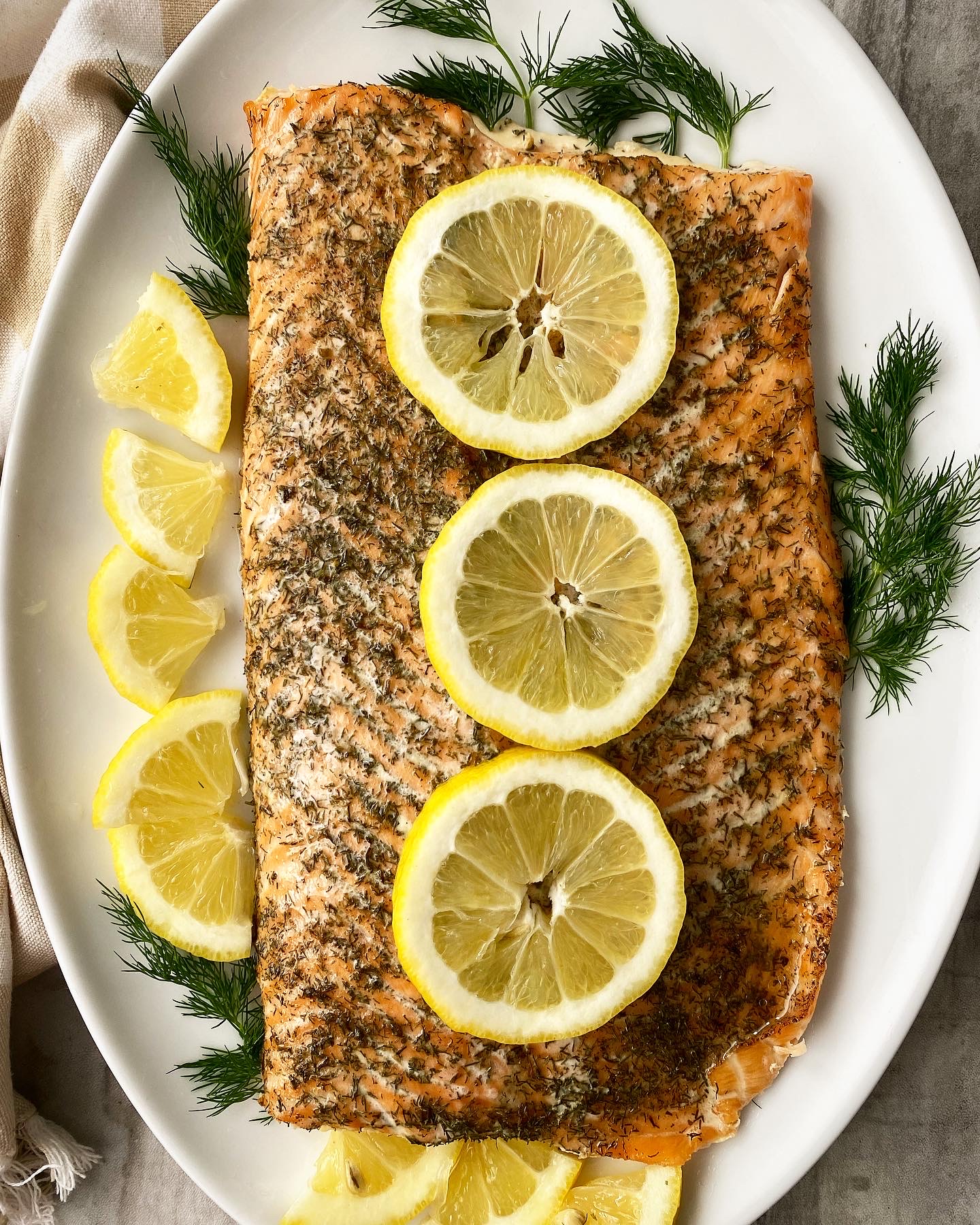

Salmon has a reputation for being a weeknight dinner that requires attention. A hot pan, precise timing, the anxiety of knowing that the difference between perfect and overcooked is approximately ninety seconds.
This recipe throws all of that out completely.
Slow cooker lemon herb salmon is the hands-off approach to one of the most nutritious proteins you can eat — seasoned with fresh lemon, garlic, and herbs, set in the slow cooker with almost zero effort, and ready to a perfectly tender, flaky result that holds together beautifully and tastes genuinely exceptional.
No hot pan. No timing anxiety. No standing over the stove. Just salmon that cooks itself while you do something else entirely — and comes out consistently perfect every single time.
Healthy, high protein, rich in omega-3s, and done in two hours without touching it.
This is the salmon recipe for people who love salmon but hate the stress of cooking it. 🙂
Table of Contents
Why Slow Cooker Salmon Works Better Than You Think
The Gentle Heat Produces a Uniquely Tender Texture
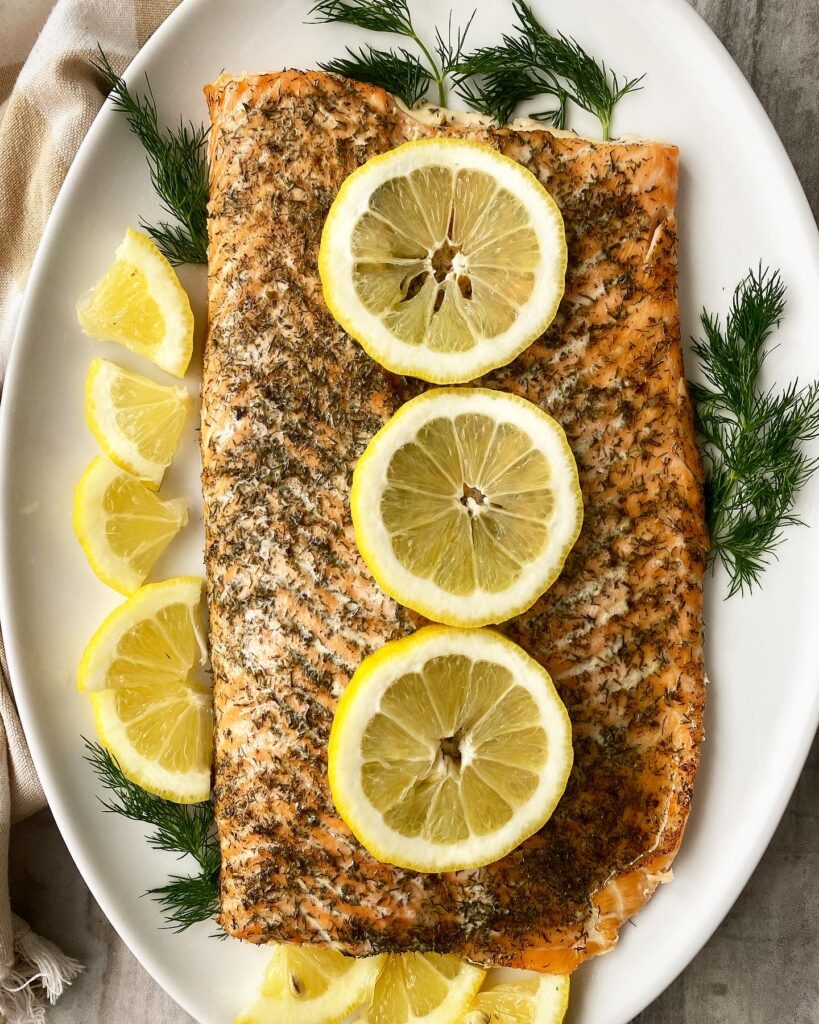
Salmon cooked in a hot pan or under a broiler develops a beautiful crust but requires precise timing — the difference between perfectly cooked and overcooked is a matter of minutes. A slow cooker operates at a much lower temperature — typically between 70°C and 85°C on the low setting — which means the salmon cooks gently and evenly all the way through without the outer layers overcooking before the center is done. The result is a texture that is consistently, uniformly tender and flaky from the very center to the very edge — something that is genuinely difficult to achieve with high-heat cooking methods.
It Is Completely Hands Off
Once the salmon goes into the slow cooker you do not need to touch it — no basting, no flipping, no checking every few minutes. Set it and genuinely walk away. Come back two hours later to perfectly cooked salmon that has been slowly infusing with lemon, garlic, and herbs the entire time. For busy weeknights or meal prep situations this level of hands-off convenience is genuinely valuable.
The Lemon and Herb Infusion Is Exceptional
Because the slow cooker is a sealed, low-temperature environment the aromatics — lemon, garlic, fresh herbs, olive oil — infuse into the salmon far more deeply than they do in quick high-heat methods. The garlic mellows completely from sharp and pungent to sweet and gentle. The lemon permeates every layer of the salmon flesh. The herbs perfume the entire fillet with a bright, aromatic quality. The result is salmon that tastes seasoned all the way through rather than just on the surface.
Choosing the Right Salmon
The quality and type of salmon you use significantly affects the finished result. Here is what to know before shopping.
Wild-caught vs farmed — wild-caught salmon has a deeper, more complex flavor and a firmer texture than farmed. It is also higher in omega-3 fatty acids relative to its calorie content. Pacific salmon varieties — sockeye, coho, and king — are the most commonly available wild-caught options. Farmed Atlantic salmon is fattier, milder, and more forgiving in cooking — the higher fat content means it is slightly more resistant to drying out. Both work well in a slow cooker.
Fresh vs frozen — fresh salmon from a fishmonger is the best option if available. Look for salmon that smells clean and oceanic — not fishy or ammonia-like — with firm, vibrant flesh that springs back when pressed. Frozen salmon thawed overnight in the fridge is an excellent practical alternative and often more consistent in quality than fresh salmon that has been sitting on ice for several days.
Fillets vs a whole side — individual fillets are the most practical for a slow cooker meal. A whole salmon side can be cooked in a large slow cooker but requires more careful positioning and a slightly longer cooking time. For this recipe individual fillets or a single large fillet portion of 500–700g produces the most consistent result.
Skin on vs skinless — skin-on fillets are easier to handle in the slow cooker — the skin provides a natural barrier between the salmon flesh and the base of the slow cooker and makes removal easier after cooking. The skin does not become crispy in a slow cooker — if you want crispy skin finish the cooked salmon under the broiler for two to three minutes after slow cooking.
What Goes Into This Recipe
Slow Cooker Lemon Herb Salmon
Course: Dinner, LunchCuisine: American, MediterraneanDifficulty: Easy4
servings10
minutes2
hours320
kcalIngredients
4 salmon fillets (approximately 150–180g each) skin-on preferred
1 tsp Dijon mustard per fillet
2 tbsp extra virgin olive oil
1 tsp smoked paprika
Salt and black pepper to taste
1 tbsp capers (optional)
- For the slow cooker base:
2 large lemons — 1 sliced into rounds, 1 juiced
4 cloves garlic, thinly sliced
¼ red onion, thinly sliced
¼ cup dry white wine or chicken stock
1 cup cherry tomatoes (optional)
- Fresh herbs:
4–6 sprigs fresh dill
4–6 sprigs fresh thyme
Small handful fresh flat leaf parsley
- For serving:
Extra fresh dill and parsley, chopped
Lemon wedges
Optional lemon caper butter sauce — 2 tbsp butter, 1 tbsp capers, squeeze of lemon, fresh dill
Directions
- Prepare the slow cooker base — scatter thinly sliced red onion across the bottom of the slow cooker. Pour white wine or chicken stock over the onion. Arrange lemon slices in a single overlapping layer over the onion — this creates the bed the salmon will rest on.
- Pat salmon fillets completely dry with paper towel. Spread a thin even layer of Dijon mustard over the top surface of each fillet.
- Season each fillet with salt, black pepper, and smoked paprika directly over the mustard layer.
- Place the seasoned salmon fillets skin-side down on top of the lemon slice bed in a single layer — do not overlap or stack.
- Scatter thinly sliced garlic over the top of each fillet. Place fresh dill and thyme sprigs on and around the salmon.
- Drizzle fresh lemon juice evenly over all fillets. Follow with a light drizzle of olive oil.
- Scatter capers over the salmon if using. Add cherry tomatoes around the salmon if using.
- Place additional lemon slices over the top of the salmon fillets.
- Place the lid on the slow cooker. Cook on LOW for 1 hour 30 minutes to 2 hours depending on fillet thickness. Do not cook on HIGH.
- Check for doneness at 1 hour 30 minutes — press gently on the thickest part. The salmon should flake easily along natural grain lines. Internal temperature should read 55–60°C. If not done return lid and check every 15 minutes.
- Once done carefully remove salmon fillets using a wide spatula — they are delicate when cooked. Transfer to serving plates.
- Pour any cooking juices from the slow cooker over the plated salmon.
- If making lemon caper butter sauce — melt butter in a small pan, add capers and lemon juice, swirl 30 seconds, pour over salmon.
- Garnish with freshly chopped dill and parsley. Serve immediately with lemon wedges and sides of choice.
Salmon fillets — the star. Fresh, high quality salmon fillets approximately 150–180g each for four servings. Pat completely dry with paper towel before seasoning — surface moisture prevents the seasoning from adhering properly.
Fresh lemon — both slices and juice. Lemon slices placed under and over the salmon create a natural steaming bed that prevents sticking and infuse the salmon with citrus flavor from below and above simultaneously. Fresh lemon juice drizzled over the salmon before cooking penetrates the flesh during the slow cooking process. Always use fresh lemon — the bottled version cannot replicate the bright, clean citrus quality of fresh juice in a recipe where lemon is the primary flavoring.
Fresh garlic — thinly sliced rather than minced. Thin slices of garlic placed over the salmon release their flavor slowly during cooking, mellowing from raw sharpness to a sweet, gentle savoriness that infuses into the salmon beautifully. Do not use garlic powder — the slow, gentle cooking process is specifically well-suited to transforming fresh garlic into something wonderful.
Fresh herbs — the aromatic element that transforms this from plain lemon salmon into something genuinely special. Fresh dill is the most classic pairing with salmon — its slightly anise-like, grassy quality is deeply compatible with the rich, fatty flavor of the fish. Fresh parsley adds brightness and freshness. Fresh thyme adds a subtle earthiness. Use a combination or focus on whichever herb you love most. Add fresh herbs both during cooking and as a garnish immediately before serving — the cooking herbs infuse flavor into the salmon while the fresh garnish herbs add a bright, vibrant quality that the cooked herbs cannot provide.
Extra virgin olive oil — drizzled over the salmon before cooking. The olive oil helps the seasoning adhere, adds richness, and creates a light coating that prevents the salmon from drying out during the gentle heat of slow cooking.
Capers — optional but strongly recommended. The briny, slightly pickled quality of capers complements salmon extraordinarily well — they add a salty, tangy punch that cuts through the richness of the fish and amplifies the lemon and herb flavors. Scatter a tablespoon of capers over the salmon before cooking.
Dijon mustard — a thin spread of Dijon over the salmon before seasoning adds a subtle depth and gentle heat that rounds the flavors and makes the finished salmon taste more complex than the simple ingredient list suggests. The mustard is not identifiable in the finished dish — it simply makes everything taste better.
White wine or chicken stock — a small amount added to the bottom of the slow cooker creates a gentle steaming environment that keeps the salmon moist and prevents any sticking. White wine adds flavor complexity. Chicken stock adds savory depth. Either works — use whichever you have available.
Red onion — thinly sliced and placed in the bottom of the slow cooker under the lemon slices. The onion slowly softens and caramelizes slightly during cooking creating a flavorful bed that adds sweetness and depth to the overall cooking environment.
Cherry tomatoes — placed around the salmon in the slow cooker. The tomatoes blister and burst gently during cooking releasing their sweet, slightly acidic juice into the cooking liquid. They become intensely flavored little bursts of tomato that taste excellent served alongside the finished salmon.
The Lemon Herb Seasoning — Building Maximum Flavor
The seasoning for this salmon is applied in layers — each layer contributing a different quality to the finished dish.
Layer one — the base — lemon slices placed in the bottom of the slow cooker in a single overlapping layer. This prevents the salmon from sitting directly on the base of the cooker and creates the first infusion point for lemon flavor.
Layer two — the spread — a thin layer of Dijon mustard over the top surface of each salmon fillet. Applied with the back of a spoon — even and thin. This sets the foundation for the other seasonings to adhere.
Layer three — the seasoning — salt, black pepper, and smoked paprika applied directly over the mustard layer. The smoked paprika adds a subtle warmth and color that works beautifully with the lemon and herbs.
Layer four — the aromatics — thinly sliced garlic scattered over each fillet. Fresh herb sprigs — dill and thyme — placed on top of and around the salmon.
Layer five — the finish — a squeeze of fresh lemon juice drizzled over everything and a light drizzle of good quality olive oil.
Layer six — the top lemon — additional lemon slices placed over the top of the seasoned salmon. The salmon is now sandwiched between lemon layers above and below — infusing from every direction simultaneously.
Slow Cooker Setup — Getting the Environment Right
The setup of the slow cooker before adding the salmon determines the consistency and quality of the finished result.
Line the slow cooker — a sheet of parchment paper cut to fit the base of the slow cooker makes removing the cooked salmon significantly easier and prevents any possibility of sticking. Alternatively the lemon slice base achieves a similar effect.
Add liquid to the base — pour approximately a quarter cup of white wine or chicken stock into the bottom of the slow cooker before adding the lemon slice bed. This small amount of liquid creates a gentle steaming environment that maintains moisture throughout the cooking process.
Do not stack the salmon — all fillets should sit in a single layer with no overlapping. Salmon fillets stacked on top of each other cook unevenly — the bottom fillet overcooks before the top fillet is done. If your slow cooker is not large enough for a single layer cook in two batches rather than stacking.
Do not add too much liquid — the salmon should not be submerged. A small amount of liquid at the base is all that is needed. Too much liquid causes the salmon to poach rather than slow cook — the result is edible but the texture and flavor are different from the gentle slow-cook approach.
Use the LOW setting exclusively — never cook salmon on the HIGH setting in a slow cooker. The higher temperature cooks the salmon too quickly and unevenly — the edges overcook while the center finishes. Low and slow is the only approach that produces the consistently tender, flaky result this recipe promises.
Cooking Times — Getting It Exactly Right
Salmon in a slow cooker cooks faster than most other proteins because fish protein coagulates at a much lower temperature than meat protein. This means the window between perfectly cooked and overcooked is narrower than with chicken or beef — but still significantly wider than with pan-searing.
On LOW setting:
- Thin fillets (2–3cm thick) — 1 hour to 1 hour 15 minutes
- Standard fillets (3–4cm thick) — 1 hour 30 minutes to 2 hours
- Thick fillets or a large fillet portion (4–5cm thick) — 2 hours to 2 hours 30 minutes
How to check for doneness — the most reliable method is a thermometer. Salmon is done at 52°C for medium — slightly translucent in the very center — and fully cooked at 63°C. For this recipe 55–60°C produces the ideal result — flaky, moist, and fully cooked through without being dry.
The flake test — press gently on the thickest part of the salmon with a fork. Properly cooked salmon flakes easily along its natural grain lines and the flesh separates cleanly. Undercooked salmon feels firm and resists flaking. Overcooked salmon flakes but looks dry and slightly chalky.
Check early — check the salmon thirty minutes before the minimum time is up for your fillet thickness. Every slow cooker runs slightly differently and the thickness variation between fillets is significant. Checking early and removing when done is always better than leaving it in too long.
Finishing Touches That Elevate the Dish
The slow cooker produces perfectly cooked, deeply flavorful salmon — these finishing touches take it from excellent to genuinely impressive.
Fresh herb garnish — scatter freshly chopped dill and parsley over the plated salmon immediately before serving. The fresh herbs add a vibrant, aromatic quality that the cooked herbs inside the slow cooker cannot provide. The visual impact of bright green herbs against the pink salmon is also beautiful.
Lemon caper butter sauce — in a small saucepan melt two tablespoons of butter over medium heat. Add a tablespoon of capers, a squeeze of fresh lemon juice, and a tablespoon of fresh dill. Swirl together for thirty seconds and pour over the plated salmon. This simple sauce takes two minutes and transforms the dish from a healthy weeknight meal into something that feels like a restaurant experience.
Crispy skin finish — if you want the textural contrast of crispy skin on your slow-cooked salmon — remove the fillets from the slow cooker and place skin-side up on a baking sheet. Broil for two to three minutes until the skin is crispy and slightly charred. The flesh stays tender and flaky from the slow cooking while the skin develops the satisfying crispiness that slow cooking alone cannot achieve.
A squeeze of fresh lemon — always. Over every piece of salmon at the table. A squeeze of fresh lemon right before eating brightens every flavor and adds the final hit of acidity that makes the dish taste complete.
What to Serve With It
Roasted asparagus — the classic pairing with salmon. Roast at 220°C for ten minutes with olive oil and salt while the salmon finishes in the slow cooker. The slight bitterness and crunch of roasted asparagus complements the rich, tender salmon beautifully.
Garlic roasted potatoes — cubed potatoes roasted with garlic, olive oil, and rosemary. Hearty, satisfying, and excellent for absorbing the lemon herb cooking juices.
Herbed couscous — cooks in five minutes. Stir in olive oil, lemon zest, fresh herbs, and diced cucumber. The lightness of couscous suits the delicate texture of the slow-cooked salmon perfectly.
Simple green salad — arugula with lemon vinaigrette and shaved parmesan. The peppery arugula and bright lemon dressing echo the flavors in the salmon without competing.
Steamed rice with lemon and herbs — white rice cooked in chicken stock with a squeeze of lemon and fresh dill stirred through after cooking. A simple, clean base that lets the salmon be the star.
Cauliflower rice — for a lower carb option that keeps the meal light and clean. Season with lemon, garlic, and fresh herbs to complement the salmon flavors.
Crusty bread — to soak up the lemon herb cooking juices that accumulate in the slow cooker. Pour the cooking liquid over the plated salmon and let the bread catch everything — one of the most satisfying parts of this dish.
Meal Prep and Storage
Slow cooker lemon herb salmon is an excellent meal prep protein — it stores well and works in multiple applications throughout the week.
Storage — store cooked salmon in an airtight container in the fridge for up to three days. The flavor actually improves slightly overnight as the lemon and herb flavors continue to develop. Salmon reheats gently in a pan over low heat with a small splash of water for two to three minutes or can be eaten cold which is equally delicious.
Cold applications — flaked cold lemon herb salmon is outstanding in salads, pasta salads, grain bowls, and wraps. It has a cleaner, more delicate flavor eaten cold than when reheated and the lemon herb seasoning works particularly well as a salad protein.
Flaked over pasta — flake cold or warm salmon over cooked linguine with olive oil, capers, lemon juice, and fresh parsley for an excellent pasta dish that takes five minutes to assemble from prepped components.
Salmon grain bowl — serve flaked salmon over quinoa or farro with roasted vegetables, avocado, cucumber, and a lemon tahini dressing. One of the best healthy grain bowl options using salmon as the protein.
Freezing — cooked salmon can be frozen for up to two months in an airtight container. Thaw overnight in the fridge and use cold rather than reheated for the best texture after freezing.
Variations to Try
Mediterranean version — add sun-dried tomatoes, Kalamata olives, and a teaspoon of dried oregano to the slow cooker alongside the salmon. Top with crumbled feta immediately before serving. The Mediterranean flavor combination with salmon is genuinely excellent.
Asian-inspired version — replace the lemon herb seasoning with soy sauce, sesame oil, fresh ginger, garlic, and a small amount of honey. Add sliced green onions over the top. The result is a teriyaki-style slow cooker salmon that is deeply savory and pairs beautifully with steamed rice and stir-fried vegetables.
Spicy version — add a teaspoon of sriracha or chili garlic paste to the olive oil and spread over the salmon before cooking. The heat builds slowly during cooking and creates a warmth that amplifies the lemon and herb flavors beautifully.
Creamy dill version — combine Greek yogurt with fresh dill, lemon zest, garlic, and salt. Spread over the salmon before cooking instead of the mustard and olive oil. The yogurt creates a creamy, herb-packed coating that becomes a sauce as it cooks.
Honey mustard version — mix equal parts Dijon mustard and honey and spread over the salmon before cooking. Add fresh thyme and lemon slices as normal. The honey caramelizes slightly during the gentle slow cooking and creates a subtly sweet, tangy glaze that is particularly popular with people who find plain salmon too mild.
Common Mistakes to Avoid
Using the HIGH setting. Salmon on HIGH in a slow cooker overcooks quickly and unevenly. Always use LOW — the gentle heat is what produces the consistently tender, flaky result.
Cooking too long. Salmon does not benefit from extended slow cooking the way tougher cuts of meat do. Check it at the minimum time and remove the moment it is done. Overcooked slow cooker salmon is dry and slightly mealy — not catastrophic but significantly less good than properly cooked.
Adding too much liquid. The salmon should not be submerged or even partially submerged. A small amount of liquid at the base — a quarter cup — is enough to create the steaming environment needed without turning this into a poaching situation.
Not patting the salmon dry before seasoning. Wet salmon does not absorb seasoning as effectively and the surface moisture creates a slightly steamed rather than herb-infused result. Always pat dry before applying any seasoning.
Using dried herbs instead of fresh. This recipe specifically benefits from fresh herbs because the gentle slow cooking process extracts their volatile aromatic compounds gradually over the cooking time. Dried herbs can be used in a pinch but reduce the amount by half and expect a slightly less vibrant result.
Opening the lid repeatedly during cooking. Every time the lid is lifted the slow cooker loses heat and the cooking time increases. Set it and leave it — check only once at the minimum cooking time.
Final Thoughts
Salmon is one of the most nutritious proteins you can eat — rich in omega-3 fatty acids, high in protein, deeply satisfying, and genuinely delicious when cooked well. The barrier for most people is the cooking — the anxiety of hot pans and precise timing and the genuine frequency with which home-cooked salmon ends up overcooked and dry.
The slow cooker removes every single one of those barriers. Set it up in five minutes. Leave it alone for two hours. Come back to tender, flaky, deeply flavorful salmon that cooked itself without any attention or stress.
Healthy eating is supposed to be this easy.
Make it this week. Set it up before you sit down for lunch. Come back at dinner time to a meal that has been cooking itself all afternoon.
That is the kind of cooking that actually fits into real life. 🙂