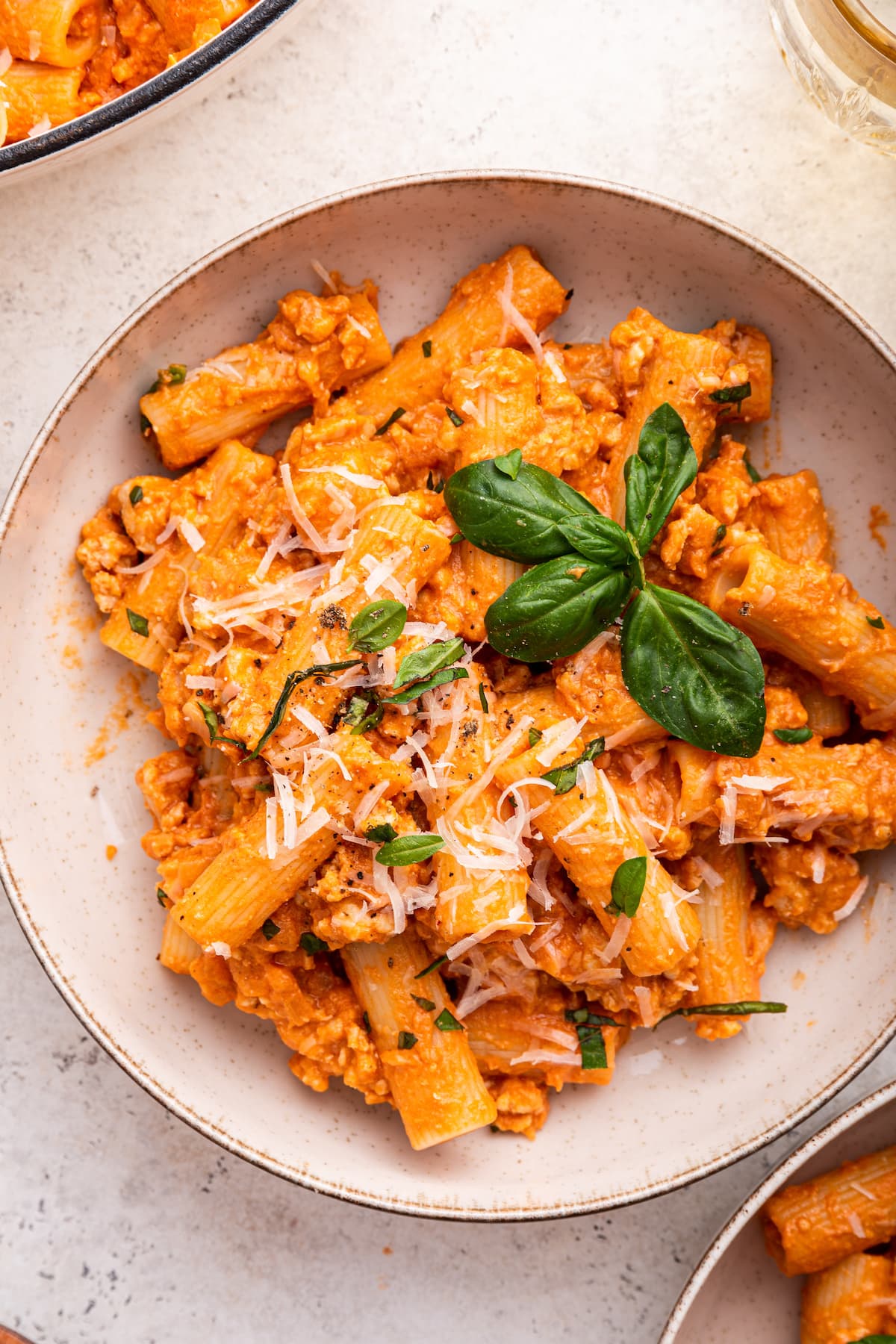
Let’s be honest — when someone first told you to put cottage cheese in pasta, you probably made a face. A very specific face. The “that sounds absolutely terrible” face.
I get it. Cottage cheese has a reputation. The lumpy texture, the mild sourness, the very strong association with sad diet food from the 90s. Not exactly the first thing that comes to mind when you want a creamy, satisfying pasta dinner.
But here’s the thing — when you blend cottage cheese and add it to hot pasta, something genuinely magical happens. It turns into the silkiest, creamiest sauce you’ve ever made, with zero heavy cream, zero butter, and somehow 30g of protein per serving. It tastes indulgent. It doesn’t taste healthy. And it takes 20 minutes start to finish.
This is the recipe that converts cottage cheese skeptics. Every single time. 🙂
Why Cottage Cheese in Pasta Actually Works
Blending Is Everything
The reason most people have had a bad experience with cottage cheese in cooking is that they added it straight without blending. Unblended cottage cheese stays lumpy, releases whey as it heats, and creates a watery, curdled mess that looks and tastes nothing like a proper sauce. Blend it first — even 20 seconds in a blender or with an immersion blender — and it transforms completely into a smooth, thick, creamy base that behaves exactly like a cream sauce when it hits the hot pasta. This one step is the entire difference between a recipe that works and one that doesn’t.
The Protein Content Is Legitimately Impressive
One cup of full fat cottage cheese contains approximately 25g of protein. Add chicken or lean turkey to the pasta and you’re at 30g+ per serving easily — more protein than most protein bars, in a proper sit-down meal that actually satisfies you. For anyone trying to hit protein goals without living on chicken and rice, this pasta is a genuine game changer.
It’s Genuinely Creamy Without Any Cream
Traditional creamy pasta — carbonara, alfredo, vodka sauce — gets its richness from heavy cream, butter, or both. This recipe achieves the same creamy, coating texture from blended cottage cheese alone. The result is a sauce that clings to every strand of pasta, tastes rich and indulgent, and comes in at a fraction of the calories and fat of a traditional cream sauce. It’s one of those swaps that works so well you stop thinking of it as a swap and just think of it as the recipe.
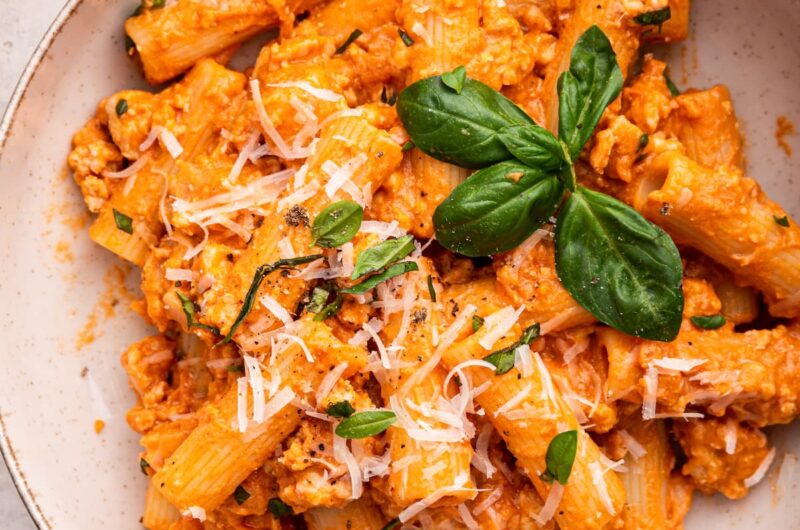
Cottage Cheese Pasta That Actually Tastes Good (30g Protein)
Course: Lunch, DinnerCuisine: Italian, AmericanDifficulty: Easy2
servings5
minutes15
minutes480
kcalIngredients
1 cup full fat cottage cheese
¼ cup freshly grated parmesan cheese
3–4 garlic cloves, minced
1 cup cherry tomatoes, halved
1 tbsp olive oil
½ tsp chili flakes (optional)
Salt and black pepper to taste
Small handful fresh basil leaves
Directions
- Bring a large pot of generously salted water to a boil. Cook pasta according to package instructions but pull it out 1 minute before the suggested time for al dente texture. Before draining, reserve 1 full cup of pasta water. Drain and set aside.
- While pasta cooks, add cottage cheese to a blender or use an immersion blender. Blend on high for 30–45 seconds until completely smooth with no lumps at all. Set aside.
- Heat olive oil in a large skillet over medium heat. Add minced garlic and chili flakes if using. Cook for 90 seconds, stirring constantly, until fragrant and just beginning to turn golden. Do not let it burn.
- Add cherry tomatoes to the pan. Increase heat to medium-high and cook for 4–5 minutes, pressing gently with the back of a spoon to help them burst and release their juices. Season with salt and pepper.
- Remove the pan completely from heat. This step is important — add the blended cottage cheese and grated parmesan to the pan off the heat. Stir everything together until fully combined and smooth.
- Add the drained pasta to the pan and toss to coat everything in the sauce. Add reserved pasta water a splash at a time, tossing between each addition, until the sauce is silky and coats every piece of pasta evenly.
- Add sliced grilled chicken or white beans if using. Toss gently to combine.
- Taste and adjust salt, pepper, and parmesan to your preference.
- Serve immediately in warm bowls. Top with fresh basil leaves, an extra grating of parmesan, and a pinch of chili flakes. A drizzle of good olive oil over the top is optional but genuinely excellent.
What Goes Into This Pasta
Cottage cheese — full fat is non-negotiable here. Low fat cottage cheese has more water content, less richness, and creates a thinner sauce that doesn’t coat the pasta properly. Full fat gives you the thick, creamy, luscious result you’re after. Blend it completely smooth before doing anything else — this is the step that makes or breaks the sauce.
Pasta of choice — any pasta works but shapes with ridges or hollows hold the sauce better than smooth ones. Rigatoni, penne, fusilli, and farfalle are all excellent. If you want to boost protein further, use chickpea pasta or lentil pasta — both have significantly more protein than regular wheat pasta and the flavor difference is minimal once the sauce coats everything.
Garlic — fresh minced garlic sautéed in olive oil is the flavor foundation of the sauce. Don’t use garlic powder here — fresh garlic cooked in oil creates a depth and sweetness that garlic powder simply cannot replicate. Three to four cloves minimum.
Parmesan cheese — stirred into the blended cottage cheese sauce just before adding to the pasta. Parmesan adds a sharp, salty, nutty complexity that elevates the sauce from basic to genuinely restaurant-quality. Freshly grated melts better and tastes significantly better than the pre-grated powder from a shaker.
Pasta water — save at least a cup before draining. This is the secret weapon of every good pasta dish — the starchy pasta water loosens the sauce, helps it emulsify, and makes it cling to the pasta beautifully. Add it a splash at a time until you hit the perfect consistency.
Cherry tomatoes — roasted or blistered in the pan until they burst and release their juices. The acidity and sweetness from the tomatoes cuts through the richness of the cottage cheese sauce in exactly the right way. This is the ingredient that stops the dish from feeling heavy or one-dimensional.
Fresh basil — stirred in at the very end, never cooked. Fresh basil wilts instantly in heat and loses its bright, aromatic quality completely. Add it off the heat right before serving and the whole dish smells and tastes incredible.
Chili flakes — optional but genuinely recommended. A pinch of chili flakes in the garlic oil at the start adds a background warmth that runs through the whole dish without making it spicy. It’s one of those additions that makes people say “there’s something about this” without being able to identify exactly what.
Optional protein add-in — grilled chicken breast, lean ground turkey, or Italian turkey sausage. Any of these push the protein content comfortably past 30g per serving and make the bowl a complete meal. For a vegetarian version, add white beans or chickpeas instead — still high protein, still genuinely satisfying.
How to Make the Sauce Perfectly
The sauce comes together in three steps and the order matters.
First, blend the cottage cheese completely smooth. Use a regular blender, an immersion blender, or a food processor. Blend for at least 30 seconds until there are absolutely no lumps remaining. It should look like a thick, smooth cream at this point. Set aside.
Second, cook your garlic in olive oil over medium heat until soft and fragrant — about 90 seconds. Add chili flakes if using. Then add your cherry tomatoes and cook on medium-high until they blister and burst, about 4–5 minutes. Use the back of your spoon to press them gently and help them release their juices.
Third — and this is the critical step — remove the pan from heat before adding the blended cottage cheese. This is important. Adding cottage cheese to an actively very hot pan can cause it to separate and become grainy. Off the heat, stir in the blended cottage cheese and parmesan, then add your drained pasta and toss everything together. Use reserved pasta water to adjust consistency. The residual heat from the pasta and pan will warm the sauce through perfectly without breaking it.
The Pasta Water Rule
If you take nothing else from this article, take this — never skip saving pasta water. It’s the one thing that separates home cooking that tastes like a restaurant from home cooking that tastes like home cooking.
The starch in pasta water does two things. It loosens a thick sauce to the perfect coating consistency without making it watery. And it helps the sauce emulsify and cling to the pasta instead of pooling at the bottom of the bowl. Add it one splash at a time, toss between each addition, and stop when the sauce moves fluidly and coats every piece of pasta evenly.
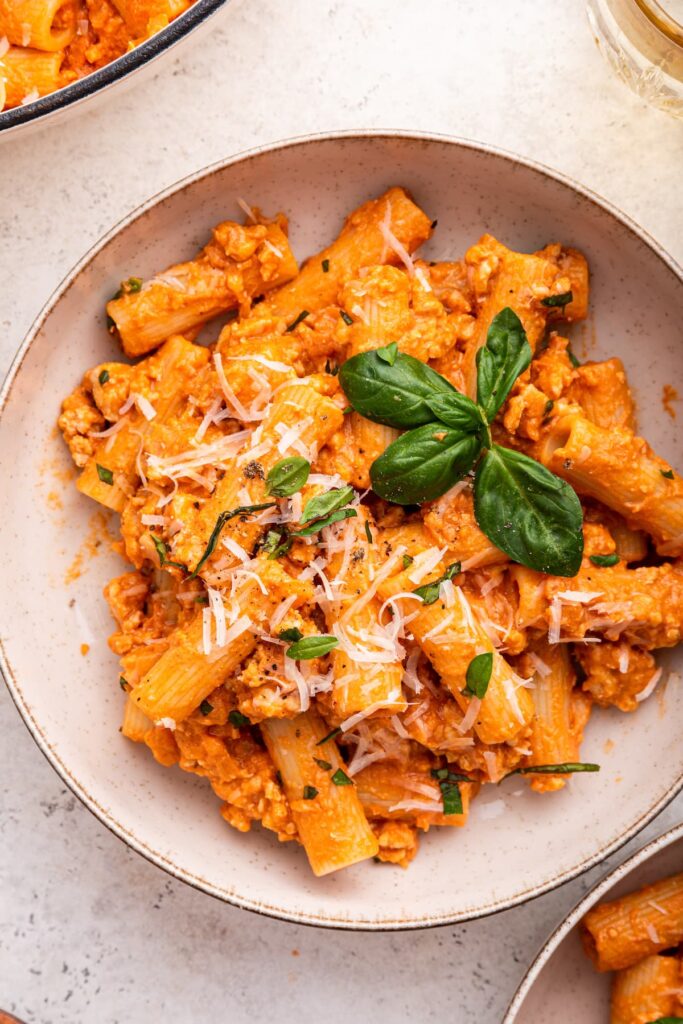
Common Mistakes That Ruin This Dish
Not blending the cottage cheese. This cannot be emphasized enough. Unblended cottage cheese does not work in this recipe. It stays lumpy, releases liquid, and creates a mess. Blend it smooth. Non-negotiable.
Adding cottage cheese to a very hot pan. High direct heat causes the proteins in cottage cheese to seize and become grainy. Take the pan off the heat, add the blended cottage cheese, then return to very low heat if needed. The pasta’s residual heat does most of the work.
Under-seasoning. Cottage cheese is naturally quite mild. The sauce needs generous seasoning — taste it before adding to the pasta and adjust salt, pepper, and parmesan until it tastes bold and flavorful on its own.
Using low fat cottage cheese. The sauce will be noticeably thinner and less creamy. Full fat is worth it here — the calorie difference per serving is minimal and the quality difference is dramatic.
Skipping the pasta water. Without pasta water the sauce will be too thick, won’t coat the pasta evenly, and the whole dish will feel heavy and clumped. Always save a cup before draining.
Overcooking the pasta. Cook it one minute less than the package instructions say — al dente pasta finishes cooking in the sauce and holds up better to tossing. Overcooked pasta turns mushy when you toss it and the texture of the whole dish suffers.
Variations Worth Trying
Spinach and sun-dried tomato version — add a large handful of fresh spinach and a few chopped sun-dried tomatoes to the pan with the garlic. The sun-dried tomatoes add intense, concentrated flavor that works beautifully with the creamy cottage cheese sauce.
Lemon and herb version — add the zest of one lemon and a tablespoon of fresh lemon juice to the sauce. Stir in fresh parsley and chives instead of basil. Bright, fresh, and completely different in feel from the original.
Spicy arrabbiata version — double the chili flakes, add a tablespoon of tomato paste to the garlic oil, and finish with extra parmesan. Bold, spicy, and genuinely addictive.
Pesto cottage cheese pasta — stir two tablespoons of good quality basil pesto into the blended cottage cheese before adding to the pasta. The pesto flavor comes through beautifully and the result is an intensely herby, creamy sauce that takes about 10 minutes total to make.
Baked version — mix the cooked pasta and sauce in an oven-safe dish, top generously with mozzarella and parmesan, and bake at 200°C for 15–20 minutes until golden and bubbling. Tastes like a high protein lasagna situation. Incredible for meal prep.
Meal Prep and Storage
This pasta stores well but with one important note — the sauce thickens significantly in the fridge as it cools and the pasta absorbs moisture overnight. When reheating, add a splash of water or milk to loosen the sauce back to the right consistency before microwaving for 90 seconds. Stir halfway through reheating for even warming.
Keeps well in an airtight container for up to 3 days. Not ideal for freezing — the sauce texture changes when frozen and thawed.
For meal prep efficiency, make a double batch of the blended cottage cheese sauce and store it separately in the fridge for up to 5 days. Cook fresh pasta when needed and toss with the pre-made sauce — dinner in 12 minutes.
Final Thoughts
Cottage cheese pasta sounds like a recipe you’d try once out of curiosity and then quietly never make again. This version is the opposite of that. It’s the recipe you make once, realize how genuinely good it is, and then add to your permanent dinner rotation.
Creamy without being heavy. High protein without tasting like diet food. Ready in 20 minutes without feeling like you cut corners. That combination is rare and when you find it, you keep it.
Make it this week. The cottage cheese skeptics at your table will not see it coming. 🙂