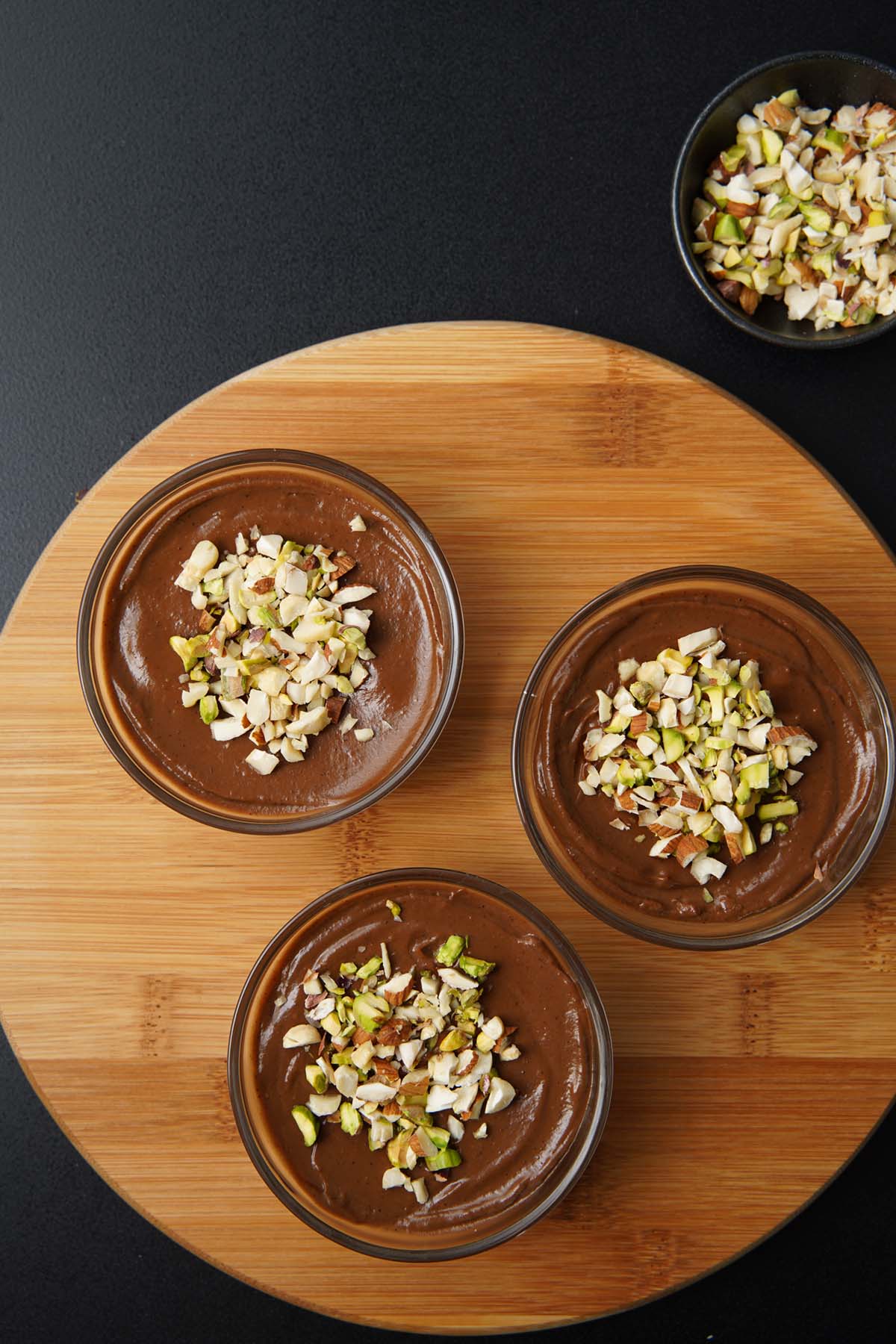
There are two kinds of people in this world. People who have tried chocolate avocado mousse and are completely obsessed with it. And people who haven’t tried it yet and are making a face right now.
If you’re in the second group — stay with me. Because this is genuinely one of those recipes where the ingredient list sounds wrong and the result tastes completely right. Rich, dark, velvety chocolate mousse that melts on your tongue, hits every chocolate craving you’ve ever had, and is made from five ingredients including avocado as the base.
No dairy. No refined sugar. No baking. No weird aftertaste. Just real chocolate flavor in a dessert that takes 10 minutes and happens to be completely keto friendly.
This is the recipe that makes people stop saying “I can’t have dessert on keto.” 🙂
Why Avocado Works Perfectly in Chocolate Mousse
The Fat Content Creates a Genuinely Luxurious Texture
Traditional chocolate mousse gets its rich, creamy texture from heavy cream and egg yolks — both high in fat. Avocado happens to have a very similar fat profile — high in monounsaturated fat, naturally smooth and creamy when blended, with zero graininess or liquid separation. When you blend ripe avocado with good quality cocoa powder and a keto sweetener, the result is a mousse that is genuinely indistinguishable from a dairy-based version in terms of texture. The fat in avocado does exactly what cream does — creates that thick, melt-in-your-mouth consistency that makes mousse feel indulgent.
The Chocolate Flavor Completely Masks the Avocado
This is the question everyone asks — does it taste like avocado? The answer is no, and here’s why. Avocado has an extremely mild, almost neutral flavor on its own. Unsweetened cocoa powder and dark chocolate are intensely flavored ingredients that completely dominate the taste profile of whatever they’re combined with. Once you blend them together, the chocolate is all you taste. The avocado is purely textural — it’s the vehicle, not the flavor. The only way you’d taste avocado is if you used an underripe one, which has a slightly bitter, grassy taste that cocoa can’t fully cover. Always use a properly ripe avocado.
It’s Genuinely Keto Friendly
Traditional chocolate mousse is loaded with sugar. This version uses either stevia, monk fruit, or erythritol — all zero glycemic index sweeteners that don’t spike blood sugar and don’t kick you out of ketosis. The carb content comes almost entirely from the cocoa powder and avocado, both of which are low net carb. Per serving this mousse comes in at approximately 4–5g net carbs, which fits comfortably within daily keto macros. And the fat content — around 18g per serving — actively supports ketosis rather than working against it.
The 5 Ingredients
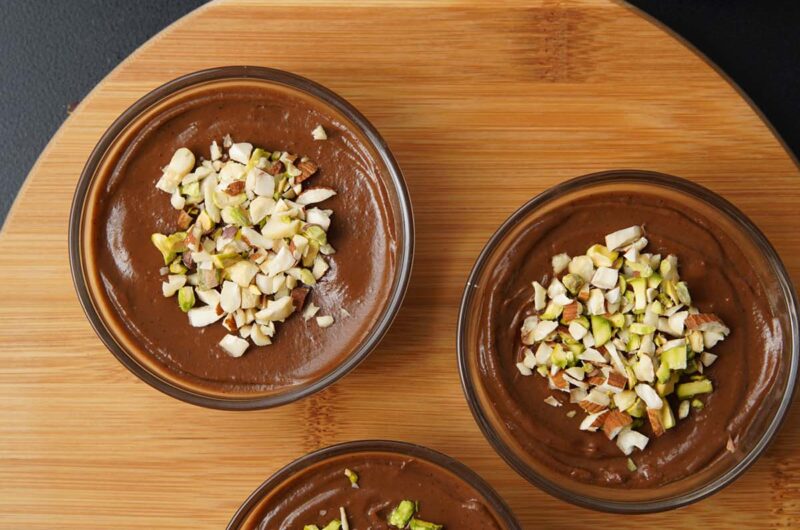
Chocolate Avocado Mousse (Keto, Dairy Free, 5 Ingredients)
Course: DessertCuisine: AmericanDifficulty: Easy2
servings10
minutes30
minutes280
kcalIngredients
2 medium ripe avocados, peeled and pitted
4 tbsp unsweetened cocoa powder (Dutch processed preferred)
2–3 tbsp coconut cream (thick cream from top of chilled full fat coconut milk can)
2–3 tbsp powdered erythritol or monk fruit sweetener (adjust to taste)
½ tsp pure vanilla extract
Pinch of sea salt
Directions
- Make sure your avocados are properly ripe — they should give slightly when pressed gently. If refrigerated, bring to room temperature for 30 minutes before blending for the smoothest result.
- Scoop the flesh of both avocados into a blender or food processor. Discard the skins and pits.
- Add cocoa powder, coconut cream, sweetener, vanilla extract, and pinch of sea salt.
- Blend on high for 60 seconds. Stop and scrape down the sides completely with a spatula — make sure to get into the corners and around the blade.
- Blend again on high for another 30 seconds until the mousse is completely smooth, glossy, and no lumps remain. If the mousse is too thick to blend properly, add one more tablespoon of coconut cream and blend again.
- Taste the mousse. Adjust sweetener if needed — add one tablespoon at a time, blend for 10 seconds, and taste again. Remember that chilling will slightly mute the sweetness so err slightly on the sweeter side.
- Spoon into two serving glasses or ramekins. Smooth the tops with the back of a spoon.
- Cover with plastic wrap pressed directly onto the surface of the mousse to prevent oxidation. Refrigerate for at least 30 minutes — 1 hour is better if you have time.
- Remove from fridge, add toppings of choice, and serve immediately. A pinch of flaky sea salt on top right before serving is strongly recommended.
Ripe avocados — two medium avocados for two generous servings. This is the most important ingredient to get right. The avocado must be properly ripe — press gently on the skin and it should give slightly without being mushy. Underripe avocado is hard, bitter, and will create a grainy mousse with a grassy taste that no amount of cocoa powder will fix. If your avocado isn’t ripe yet, leave it on the counter for another day or two. It’s worth waiting.
Unsweetened cocoa powder — this is where the deep chocolate flavor comes from. Use good quality unsweetened cocoa powder — the difference between cheap cocoa and a quality brand is very noticeable in a recipe where cocoa is the primary flavor. Dutch processed cocoa gives a slightly deeper, smoother chocolate flavor than natural cocoa. Either works but Dutch processed is the upgrade if you can find it.
Coconut cream — just two to three tablespoons, scooped from the thick cream at the top of a chilled can of full fat coconut milk. This adds richness and a subtle coconut undertone that works beautifully with chocolate. It also helps the mousse blend completely smooth. Make sure it’s coconut cream not coconut water — chill the can overnight so the cream separates to the top and is easy to scoop.
Keto sweetener — stevia, monk fruit, or powdered erythritol. Powdered erythritol is the best choice here because it dissolves completely without any grittiness and has the most neutral flavor of the three. Liquid stevia works too but can have a slightly bitter aftertaste at higher amounts — start with less than you think you need and add gradually. Monk fruit is excellent and has zero aftertaste but can be harder to find. Start with a small amount of whichever sweetener you use, taste, and adjust — sweetener preference is highly personal.
Pure vanilla extract — just half a teaspoon but it makes a meaningful difference. Vanilla enhances and deepens chocolate flavor in the same way salt enhances savory food. It adds warmth and complexity that makes the mousse taste more sophisticated and less one-dimensional. Use pure vanilla extract not imitation — the difference is noticeable in a simple recipe like this.
Optional but strongly recommended — a pinch of sea salt. Salt in chocolate desserts is not a trend, it’s food science. A tiny pinch of flaky sea salt sprinkled on top of the finished mousse right before serving intensifies the chocolate flavor, adds a textural contrast, and makes the whole dessert taste more complex and expensive. Don’t skip it.
How to Get the Perfect Mousse Texture
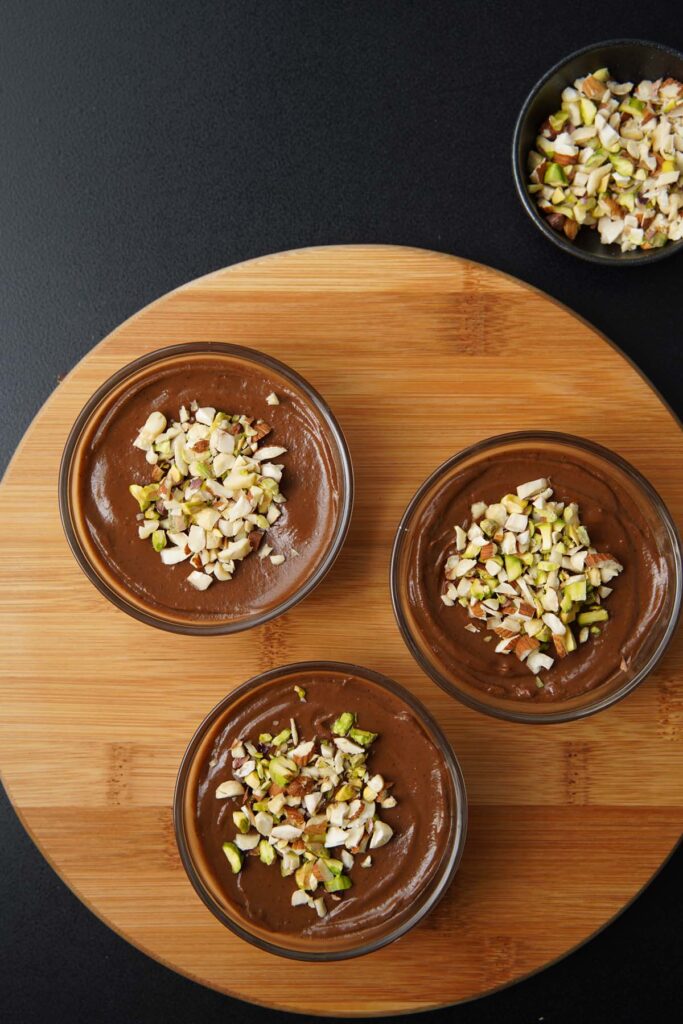
Texture is everything with mousse — too thin and it’s just chocolate pudding, too thick and it’s more like a truffle filling. Here’s how to nail it.
Start with room temperature avocado. Cold avocado from the fridge doesn’t blend as smoothly and can create small lumps in the final mousse. If your avocados have been refrigerated, let them sit at room temperature for 30 minutes before blending.
Blend on high for a full minute. Stop, scrape down the sides completely, and blend again for another 30 seconds. The mousse needs a thorough blend to get completely smooth — a quick pulse won’t cut it. Any remaining lumps of avocado will be very obvious in the final texture.
Add coconut cream one tablespoon at a time. The consistency of avocados varies — some are firmer and need more liquid to blend smooth, others are very soft and need less. Add coconut cream gradually until the mousse moves fluidly in the blender and looks glossy and smooth.
Chill before serving. The mousse can be eaten immediately but 30 minutes in the fridge makes it noticeably better — slightly firmer, more set, and the flavors meld together more completely. One hour is even better if you have the patience.
Toppings That Make It Look and Taste Even Better
The mousse on its own is excellent. These toppings take it from excellent to genuinely impressive — especially important if you’re photographing it for Pinterest or serving it to guests.
Fresh raspberries or strawberries — the tartness cuts through the richness of the chocolate perfectly and the color contrast against the dark mousse is visually stunning. This is the topping that makes the Pinterest photo.
Flaky sea salt — as mentioned above, non-negotiable for flavor. A small pinch right before serving.
Unsweetened coconut flakes — adds a subtle tropical note and a gentle crunch that contrasts nicely with the smooth mousse.
Crushed keto friendly dark chocolate — a few shards of 85%+ dark chocolate on top adds texture and signals immediately that this is a serious chocolate dessert.
Fresh mint leaves — purely visual but makes the presentation look polished and intentional. Great for when you’re serving this to guests.
Cacao nibs — crunchy, intensely chocolatey, completely keto, and add a sophisticated bitterness that dark chocolate lovers will appreciate.
Common Mistakes That Ruin This Recipe
Using an underripe avocado. This is by far the most common mistake and the one that makes people think they don’t like chocolate avocado mousse. An underripe avocado tastes bitter and grassy, creates a grainy texture, and no amount of cocoa or sweetener will fully cover it. Wait for proper ripeness — it makes an enormous difference.
Not blending long enough. A 10 second pulse leaves lumps. You need a full minute of high speed blending, a scrape down, and another 30 seconds. The mousse should look completely glossy and smooth with zero visible texture before it’s done.
Adding too much sweetener upfront. Keto sweeteners vary wildly in sweetness intensity. Start with half of what you think you need, taste, and add more gradually. Over-sweetened mousse with stevia in particular can have an unpleasant bitter aftertaste.
Using light coconut milk instead of coconut cream. Light coconut milk is too watery and will make the mousse too thin and loose. Use the thick cream from the top of a full fat chilled coconut milk can — or buy straight coconut cream. The richness is essential.
Skipping the chill time. The mousse eaten immediately is good. The mousse after 30–60 minutes in the fridge is significantly better — firmer, more set, more intense in flavor. If you have time, chill it. You’ll notice the difference.
Using cheap cocoa powder. In a recipe with only 5 ingredients, the quality of each one is amplified. Cheap cocoa produces a flat, slightly acidic chocolate flavor. A good quality cocoa produces a deep, round, complex chocolate taste. Spend slightly more on the cocoa — it’s worth it.
Variations to Keep Things Interesting
Mocha version — add one teaspoon of instant espresso powder to the blender. Coffee and chocolate is one of the great flavor combinations and the espresso deepens and intensifies the chocolate flavor significantly without making it taste like coffee.
Mexican chocolate version — add ¼ tsp cinnamon and a tiny pinch of cayenne pepper. The warmth from the cinnamon and the very subtle heat from the cayenne create a complex, sophisticated flavor that is genuinely addictive.
Mint chocolate version — add ¼ tsp pure peppermint extract instead of vanilla. Peppermint extract is very potent — start with less than you think you need. The result tastes like a healthy After Eight mint.
Peanut butter chocolate version — add two tablespoons of natural peanut butter to the blender. The combination of chocolate and peanut butter is always a winner and the peanut butter adds even more healthy fat and a small protein boost.
Orange chocolate version — add ½ tsp orange zest and a few drops of orange extract. Chocolate and orange is a classic European flavor combination that feels sophisticated and unexpected in a healthy dessert context.
Storing and Making Ahead
This mousse stores beautifully in the fridge which makes it an excellent make-ahead dessert. Spoon into individual serving glasses or ramekins, cover with plastic wrap pressed directly onto the surface of the mousse to prevent oxidation, and refrigerate for up to 3 days.
The mousse will darken slightly on the surface over time — this is normal oxidation from the avocado and doesn’t affect the flavor at all. Give it a gentle stir before serving if needed.
Not suitable for freezing — the texture becomes icy and grainy once thawed and doesn’t recover properly even after blending again.
For dinner parties or meal prep, make this the day before — it actually tastes better on day two as the flavors develop overnight in the fridge. Serve straight from the fridge in small glasses with toppings added fresh right before serving.
Final Thoughts
Chocolate avocado mousse is one of those recipes that sounds like a compromise and delivers like an indulgence. Rich, dark, velvety, deeply chocolatey, and completely guilt free — it genuinely checks every box a dessert should check without a single ingredient you need to feel bad about.
Whether you’re doing keto, eating dairy free, trying to cut refined sugar, or just want a chocolate dessert that doesn’t undo all your hard work at the gym — this is your answer.
Make it tonight. Serve it in small glasses with fresh raspberries on top. Tell absolutely no one what the base ingredient is until after they’ve finished it.
The reactions will be very satisfying. 🙂