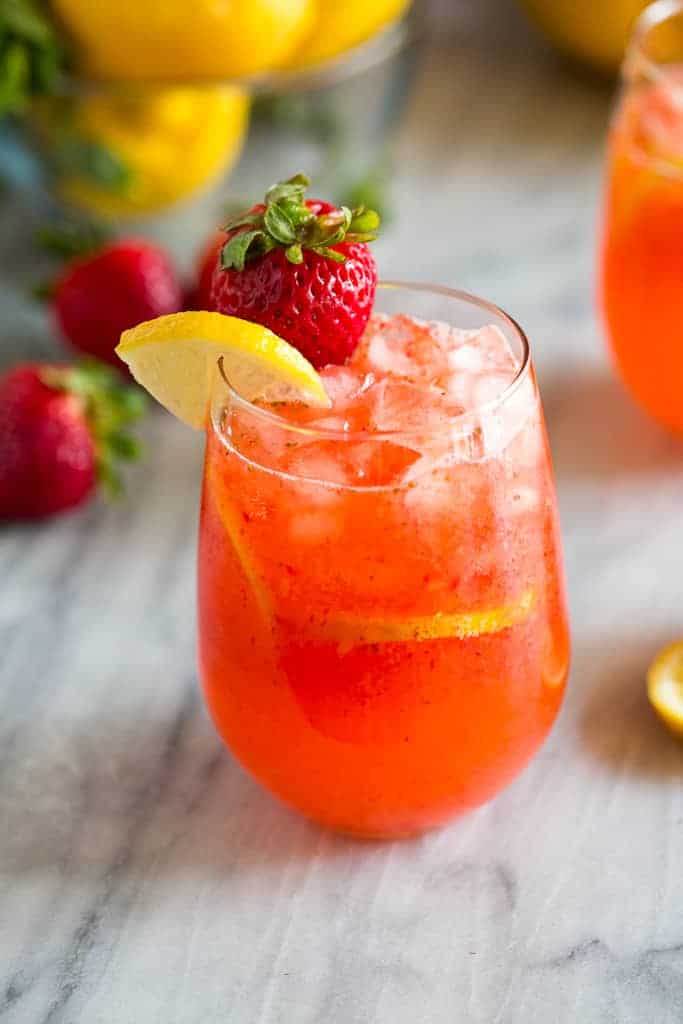
Some drinks are just drinks. And some drinks are the taste of summer itself — the kind of thing you sip on a hot afternoon that makes everything feel a little slower and a little better.
This strawberry lemonade is the second kind.
Fresh strawberries blended into a vivid pink syrup. Real lemons squeezed by hand. Cold water. Ice. A drink that is so simple it barely feels like a recipe — and so good that you will make it on repeat from now until the last warm day of the year.
No artificial flavors. No food coloring. No store-bought mix. Just real fruit, real lemon, and ten minutes of your time.
The color alone will make people stop what they are doing. The taste will make them ask for a second glass before they finish the first. 🙂
Why Homemade Strawberry Lemonade Is Worth Making From Scratch
The Color Is Something Store-Bought Cannot Replicate
The specific deep blush-pink color of properly made fresh strawberry lemonade — made with real strawberries at peak ripeness — is one of the most beautiful drink colors in existence. It is not the artificial bright red of store-bought versions or the pale pink of diluted mixes. It is a natural, slightly translucent deep rose color that looks stunning in a clear glass and photographs spectacularly in natural light. No food coloring achieves this. Only real strawberries do.
The Flavor Is Completely Different From Anything Bottled
Bottled strawberry lemonade tastes like strawberry flavor — a synthetic approximation of the real thing that is simultaneously too sweet and somehow flat. Fresh strawberry lemonade made with real fruit tastes like actual strawberries — bright, slightly tart, intensely fruity, with a natural sweetness that has depth and complexity. The difference is not subtle. It is immediate and obvious the moment you taste them side by side.
It Takes Ten Minutes and Costs Almost Nothing
A bottle of Tropicana Strawberry Lemonade costs approximately three to four dollars and tastes nothing like the real thing. This recipe costs approximately one to two dollars per pitcher and tastes infinitely better. The time investment is ten minutes — less than it takes to drive to a store. The case for making it from scratch is genuinely overwhelming.
The Two Components That Make This Recipe Work
Strawberry lemonade is essentially two things combined — a fresh strawberry syrup and a classic lemonade base. Understanding each component separately makes the whole recipe more intuitive and easier to customize.
The Strawberry Syrup
The strawberry syrup is the heart of this recipe and what makes homemade strawberry lemonade taste so dramatically better than store-bought. It is made by cooking fresh strawberries with a small amount of sugar and water until they break down completely into a vivid, intensely flavored liquid that captures everything good about a fresh strawberry in concentrated form.
The cooking process does two things — it extracts maximum color and flavor from the strawberries and it dissolves the sugar completely so the finished lemonade is not gritty or unevenly sweetened. The result is a deep red syrup that is sweet, intensely fruity, and slightly tart — exactly what the lemonade needs.
The syrup can be made in advance and stored in the fridge for up to a week — which means you can make one batch of syrup and have strawberry lemonade ready in two minutes every day for a week just by mixing with fresh lemon juice and water. This is the meal prep approach for summer drinks.
The Lemonade Base
Classic lemonade is fresh lemon juice, simple syrup, and cold water in the right ratio. The ratio that works best for strawberry lemonade specifically — where the syrup adds significant additional sweetness — is slightly more tart than standard lemonade. The extra tartness balances the sweetness of the strawberry syrup so the finished drink is bright and refreshing rather than cloying.
Fresh lemon juice is non-negotiable. Bottled lemon juice has a flat, slightly chemical taste that is very noticeable in a drink as simple as lemonade where lemon is one of only three ingredients. Fresh lemons squeezed by hand — or with a simple citrus juicer — produce a bright, clean, intensely citrusy juice that makes the lemonade taste alive and vibrant. The difference is significant.
What Goes Into This Recipe
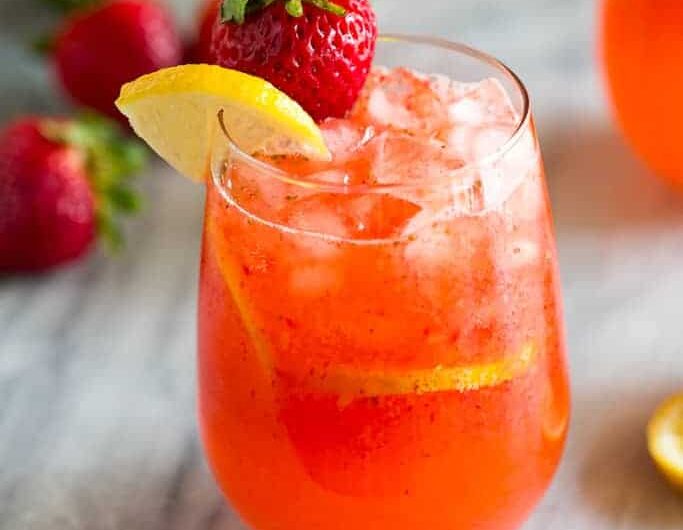
Strawberry Lemonade Recipe (Fresh, Easy & Naturally Sweet)
Course: DrinksCuisine: AmericanDifficulty: Easy4
servings10
minutes10
minutes96
kcalIngredients
For the strawberry syrup:
300g fresh ripe strawberries, hulled
½ cup granulated white sugar
¼ cup water
- For the lemonade:
1 cup fresh lemon juice (approximately 6–8 medium lemons)
4 cups cold filtered water
Ice for serving
- For garnish:
Fresh strawberry slices
Lemon wheels or slices
Fresh mint sprigs
Directions
- Make the strawberry syrup — combine hulled strawberries, sugar, and water in a medium saucepan over medium heat. Stir gently as the mixture comes to a simmer. Cook for 5–6 minutes until strawberries are completely soft and broken down and the syrup is deep red and slightly thickened. Mash any remaining pieces with a fork.
- Strain through a fine mesh strainer into a heatproof bowl or jar pressing firmly on the solids to extract every drop of syrup. Discard solids or reserve for another use. You should have approximately ¾ cup of vivid red strawberry syrup.
- Let syrup cool completely to room temperature — approximately 20 minutes. Or refrigerate for 10 minutes to speed up cooling.
- While syrup cools squeeze lemons — roll each lemon firmly on the counter before cutting to maximize juice yield. Cut in half and squeeze using a citrus juicer. Strain through a fine mesh strainer to remove seeds and pulp. Measure one cup of fresh lemon juice.
- Combine cooled strawberry syrup and fresh lemon juice in a large pitcher. Stir together — the mixture will be concentrated, vivid pink, and intensely flavored. Taste and note the balance of sweet and tart.
- Add cold water gradually — start with 3 cups, stir, and taste. Adjust sweetness with more syrup or tartness with more lemon juice if needed. Add remaining water. Taste again and adjust until perfectly balanced for your preference.
- Add fresh strawberry slices and lemon wheels to the pitcher for visual appeal.
- Fill tall clear glasses completely with ice. Pour lemonade over ice. Garnish each glass with a fresh mint sprig and additional strawberry slice on the rim.
- Serve immediately. Stir before each pour as the strawberry syrup settles slightly at the bottom over time.
Fresh strawberries — the star ingredient and the one that determines the color and flavor of the finished drink more than anything else. Use the ripest, deepest red strawberries available — the kind that smell intensely sweet before you even cut them. Pale, underripe strawberries produce a pale, underripe syrup regardless of how long you cook them. Peak summer strawberries produce a syrup so vivid and intensely flavored it barely seems real. Hull them — removing the green tops — before cooking. No need to slice them as they will break down completely during cooking.
Fresh lemons — the acid backbone of the entire drink. You need approximately six to eight medium lemons for one pitcher of lemonade depending on their juiciness. Roll each lemon firmly on the counter before cutting — this breaks down the internal structure and releases significantly more juice. Cut in half and squeeze using a citrus juicer or by hand. Strain the juice through a fine mesh strainer to remove seeds and pulp — a cleaner juice produces a more visually appealing finished drink.
Sugar — for the strawberry syrup and optionally a small amount of simple syrup for the lemonade base. White sugar produces the clearest, most vibrant color in the strawberry syrup — brown sugar or coconut sugar adds a slight color that can make the finished lemonade look brownish rather than the pure blush pink you want. For a refined sugar free version use honey or maple syrup — both work well though honey adds a subtle floral flavor and maple adds a warm depth that changes the flavor profile slightly. Both are genuinely good alternatives.
Cold water — still water is the most classic. Sparkling water added at serving instead of still water creates a sparkling strawberry lemonade that is particularly festive and refreshing — the bubbles amplify the fruit flavors and make the drink feel more special. Use filtered water for the cleanest flavor — tap water with strong mineral content or chlorine taste will affect the finished drink.
Fresh mint — optional but strongly recommended as a garnish. A sprig of fresh mint in the glass adds a cooling aromatic quality that makes the drink taste even more refreshing. It also makes the finished glass look significantly more polished and intentional — a mint sprig in a glass of blush pink strawberry lemonade is one of the most classic summer drink presentations.
Lemon slices — a slice of fresh lemon on the rim of the glass or floating in the pitcher adds visual freshness and signals immediately that this is made from real lemons. Press lemon slices against the inside of the glass before filling for a particularly beautiful presentation.
Fresh strawberry slices — a few thin slices of fresh strawberry floating in the pitcher and in individual glasses add visual appeal and a burst of fresh fruit with every sip. They also make the drink look significantly more homemade and artisanal than the syrup alone.
Making the Strawberry Syrup
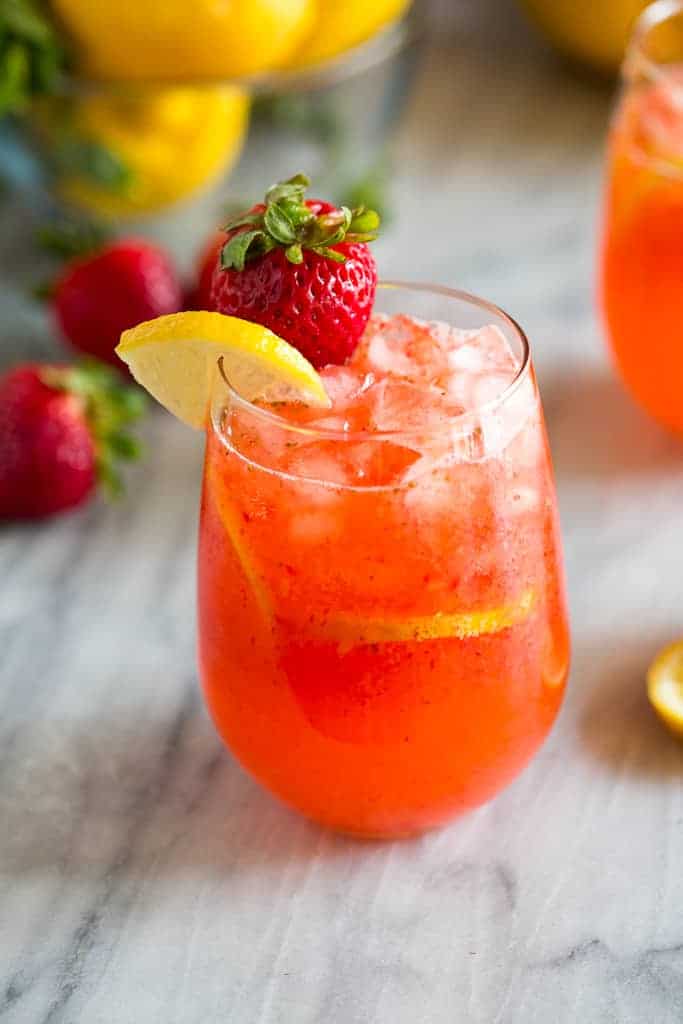
This is the only step that involves any cooking and it takes eight minutes.
Combine hulled fresh strawberries, sugar, and a small amount of water in a medium saucepan. The water is just enough to prevent the sugar from burning before the strawberries release their juice — approximately a quarter cup for 300g of strawberries. Bring to a simmer over medium heat stirring gently. The strawberries will begin releasing their juice within two to three minutes creating a vivid red liquid in the pan.
Cook for five to six minutes until the strawberries are completely soft and broken down and the syrup is deep red and slightly thickened. Remove from heat. Use a fork or potato masher to press the strawberries completely if any pieces remain intact.
Strain through a fine mesh strainer pressing firmly on the solids to extract every drop of syrup. Discard the solids — or stir them into yogurt or oatmeal for a delicious strawberry compote. Let the syrup cool completely before adding to the lemonade — hot syrup added to cold water creates an unpleasant temperature contrast and melts the ice too quickly.
The quick no-cook version — blend fresh strawberries with a small amount of simple syrup until completely smooth then strain. This version is faster but slightly less flavorful and less vivid in color than the cooked version. Use it when you are short on time and want the lemonade immediately.
Assembling the Perfect Pitcher
The assembly order and technique affects both the flavor balance and the visual appearance of the finished pitcher.
Add the completely cooled strawberry syrup to the pitcher first. Add fresh lemon juice. Stir together — the combination of strawberry syrup and lemon juice creates the most vivid, intensely flavored base before any dilution from water. Taste this concentrated mixture — it should be intensely sweet and tart simultaneously. This is correct.
Add cold water gradually — not all at once. Add half the water first, stir, and taste. The lemonade should be bright and well-balanced — if it needs more tartness add more lemon juice, if it needs more sweetness add more strawberry syrup. Add remaining water and taste again. Adjust until the balance is perfect for your preference.
Add ice directly to the pitcher for immediate serving — or keep the pitcher ice-free and add ice to individual glasses at serving. Ice added to the pitcher melts over time and dilutes the lemonade — keeping them separate means the lemonade stays at full flavor strength until the last glass.
Add sliced fresh strawberries and lemon slices directly to the pitcher for visual appeal. They continue to release a small amount of color and flavor into the lemonade as they sit — a bonus rather than a problem.
Getting the Sweet-Tart Balance Right
The balance of sweet and tart is the most personal element of lemonade and varies significantly between people. Here is how to adjust for your preference.
Too tart — add more strawberry syrup one tablespoon at a time or add a small amount of additional simple syrup. Stir and taste between each addition.
Too sweet — add more fresh lemon juice one tablespoon at a time. Stir and taste. The lemon juice adds tartness without diluting the drink the way adding water would.
Too strong — add more cold water. The lemonade has been diluted less than your preference — add water until it reaches the right strength.
Too weak or flat-tasting — not enough lemon juice or not enough strawberry syrup. Both contribute to the intensity of the drink. Add more of whichever flavor component seems absent.
Tastes artificial or flat — the strawberries were underripe or the lemon juice was bottled. This cannot be fixed after assembly — the quality of the ingredients determines the quality of the finished drink. Use riper strawberries and fresh lemon juice next time.
Variations to Try All Summer
Sparkling strawberry lemonade — replace still water with sparkling water added at serving rather than mixed in advance. The carbonation amplifies the fruit flavors and makes the drink feel festive. Do not mix the sparkling water with the syrup and lemon juice base in advance — it goes flat immediately. Keep the concentrated base separate and top each glass with sparkling water right before serving.
Frozen strawberry lemonade — blend the completed lemonade with two cups of ice until completely smooth. The result is a thick, frosty slushie that is even more refreshing than the iced version on the hottest days. Pour into a clear glass, top with a fresh strawberry, and serve immediately with a wide straw.
Strawberry mint lemonade — add a large handful of fresh mint leaves to the strawberry syrup during cooking. The mint infuses into the syrup and adds a cooling aromatic quality that pairs beautifully with the strawberry and lemon. Strain the mint out with the strawberry solids after cooking.
Strawberry basil lemonade — add fresh basil leaves to the syrup during cooking. Strawberry and basil is a sophisticated combination that feels more adult and complex than the classic version. Strain out the basil with the strawberry solids.
Strawberry lavender lemonade — add one teaspoon of dried culinary lavender to the syrup during cooking. The floral quality of lavender paired with strawberry and lemon is genuinely beautiful — elegant, aromatic, and unusual in the best way. Strain thoroughly as lavender pieces are unpleasant to drink.
Strawberry watermelon lemonade — add one cup of fresh watermelon juice to the finished lemonade alongside the strawberry syrup. The watermelon adds another layer of summer fruit flavor and deepens the pink color beautifully. Use a blender to juice the watermelon and strain before adding.
Healthy zero sugar version — make the strawberry syrup using monk fruit sweetener or stevia instead of sugar. Use only fresh lemon juice and water with no additional simple syrup. The finished drink is naturally sweet from the strawberries and bright from the lemon with no refined sugar. Comes in at approximately 40 calories per serving.
Strawberry lemonade popsicles — pour the completed lemonade into popsicle molds. Add a thin strawberry slice inside each mold before freezing. Freeze for four hours. The result is a beautiful, naturally colored strawberry lemonade popsicle that is one of the best summer frozen treats for both adults and kids.
Serving Ideas for Different Occasions
Everyday at home — make a full pitcher on Sunday and keep in the fridge. Lasts up to three days — stir before each pour as the strawberry pulp settles slightly. The most convenient approach for daily summer drinking.
Cookouts and BBQs — make a double or triple batch in a large drink dispenser or mason jar pitcher. Set out with a ladle, ice bucket, fresh strawberry slices, and mint sprigs so guests can serve themselves and garnish their own glasses. The self-serve format always looks impressive and effortless.
Kids parties — serve in individual mason jars with paper straws and fresh strawberry garnishes. Kids love the color and the individual jar format feels special and intentional. Use less lemon juice for a sweeter version that younger palates prefer.
Dinner parties — serve in stemmed wine glasses or tall clear glasses with a thin lemon wheel on the rim and a sprig of fresh mint. The strawberry lemonade elevated with these presentation details looks genuinely elegant alongside a summer dinner menu.
Lemonade bar — set out a pitcher of the strawberry syrup, a pitcher of fresh lemon juice, sparkling and still water, various garnishes, and let guests mix their own preferred ratio. This interactive format is perfect for parties and makes the strawberry lemonade experience feel personalized and fun.
How to Make a Large Batch for a Crowd
This recipe scales perfectly for large groups. For twenty people — make four times the syrup recipe and four times the lemon juice. Combine in a large drink dispenser or punch bowl. Keep refrigerated until serving. Set out with an ice bucket so guests can add ice to individual glasses rather than diluting the pitcher.
Make the syrup the day before to save time on the day of the gathering — it keeps perfectly in the fridge for up to a week. On the day of the event combine with fresh lemon juice and water twenty minutes before guests arrive. This approach makes what could be a time-consuming task completely stress free.
Photography Tips for Pinterest
Strawberry lemonade is one of the most saved summer drink images on Pinterest for a simple reason — the color is extraordinary and requires almost no styling to look professional.
Use tall clear glasses — the height of a tall glass creates visual drama and shows off the color of the drink over the most surface area. A short squat glass with the same amount of liquid looks significantly less impressive.
Add ice that is visible above the rim — pile ice slightly above the top of the glass. The ice creates texture and visual interest above the liquid line.
Float strawberry slices and lemon wheels in the glass — these additions make the drink look immediately more artisanal and homemade. A lemon wheel pressed against the inside of the glass visible from the outside is particularly effective.
Fresh mint sprig — always. A single sprig of fresh mint tucked into the ice adds the green color pop that makes the drink look complete and professionally styled.
Natural window light — the blush pink color of fresh strawberry lemonade is one of the most beautiful drink colors in natural light. Position the glass near a window and shoot without flash. The color looks warm, vivid, and appetizing in natural light and slightly orange or washed out under artificial lighting.
A pitcher in the background — photographing a single glass with a full pitcher slightly out of focus in the background creates a sense of abundance and occasion. The blurred pink of the pitcher adds color depth to the composition without competing with the main subject.
Common Mistakes to Avoid
Using bottled lemon juice. The difference between fresh squeezed lemon juice and bottled is dramatic in a drink as simple as lemonade. Bottled juice tastes flat, slightly chemical, and nothing like fresh lemon. Always squeeze fresh.
Using underripe strawberries. Pale, underripe strawberries produce a pale, flat syrup. The color and flavor of the syrup depends entirely on the quality of the strawberries. Use deeply red, fragrant, ripe fruit and the syrup will be extraordinary. Use mediocre fruit and the finished drink will taste mediocre regardless of technique.
Not cooling the syrup before mixing. Hot syrup added to cold water creates a lukewarm lemonade and melts the ice immediately. Let the syrup cool completely — or refrigerate — before combining with the lemon juice and water.
Over-sweetening. The strawberry syrup is already quite sweet. Taste the lemonade after adding syrup and lemon juice before adding any additional sugar. Most people find the syrup provides enough sweetness without adding a separate simple syrup to the lemonade base.
Adding ice to the pitcher too early. Ice in the pitcher melts and dilutes the lemonade over time. Keep ice and lemonade separate — add ice to individual glasses at serving for the most consistently flavored drink from first glass to last.
Not straining the syrup thoroughly. Unstrained syrup has strawberry pulp and seeds in it which creates a cloudy, slightly textured lemonade rather than the clear, jewel-like drink you want. Strain thoroughly and press firmly on the solids to extract maximum liquid.
Final Thoughts
There is a reason fresh strawberry lemonade has been on summer tables for generations. It is not complicated. It does not require special equipment or unusual ingredients. It just requires ripe fruit, real lemons, and a few minutes of attention.
And the result is one of the most genuinely refreshing, beautiful, universally loved drinks that summer has to offer.
Ten minutes. One pitcher. The entire summer sorted.
Make it this weekend. Fill a tall glass with ice. Pour it over. Add a mint sprig.
Sit somewhere warm and drink it slowly.
That is what summer is supposed to feel like. 🙂