

If there’s one pasta recipe that tastes like summer in every single bite, it’s this lemon pesto pasta. Bright, herby, garlicky basil pesto tossed with perfectly cooked pasta and lifted with fresh lemon juice and zest — it’s the kind of meal that takes 15 minutes but tastes like you put in serious effort.
No heavy cream, no complicated sauce, no hour-long cook time. Just fresh, simple ingredients working together in the best possible way. This is the recipe you’ll make on repeat all summer long.
Table of Contents
Why You’ll Love This Lemon Pesto Pasta
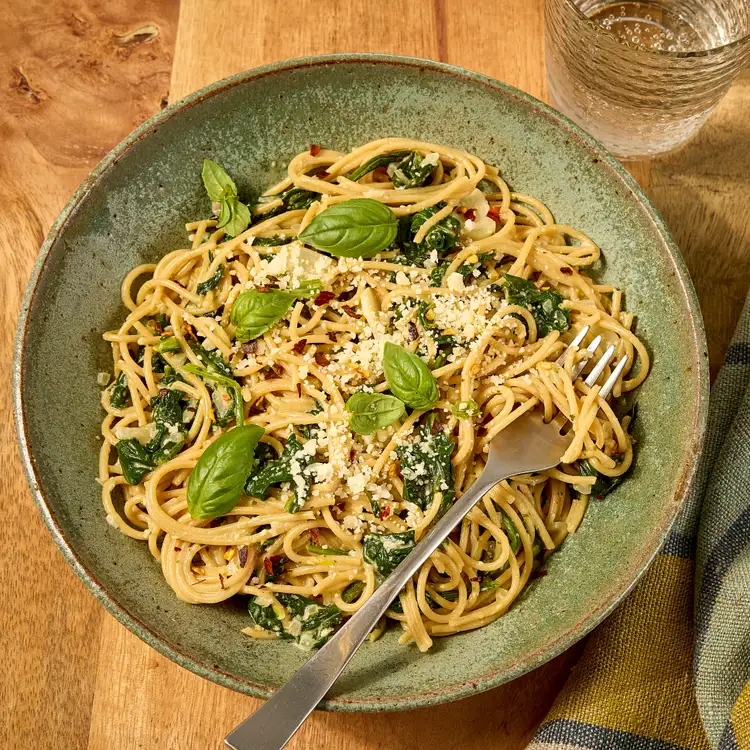
15 minutes start to finish. Boil pasta, toss with pesto and lemon, done. It genuinely doesn’t get faster than this for a meal that actually tastes good.
Incredibly fresh flavor. The lemon takes classic pesto pasta and makes it brighter, lighter, and more vibrant. It cuts through the richness of the olive oil and parmesan in the pesto and makes every bite feel alive.
Works hot or cold. Serve it immediately as a warm dinner or let it cool and eat it as a cold pasta salad the next day. Both versions are genuinely excellent.
Minimal ingredients, maximum flavor. You only need a handful of ingredients, most of which you probably already have. Fresh basil, garlic, parmesan, olive oil, lemon — that’s the whole flavor profile.
Easily customizable. Add grilled chicken, shrimp, cherry tomatoes, roasted vegetables, or fresh mozzarella. The base recipe works with almost anything you want to throw at it.
Ingredients You’ll Need
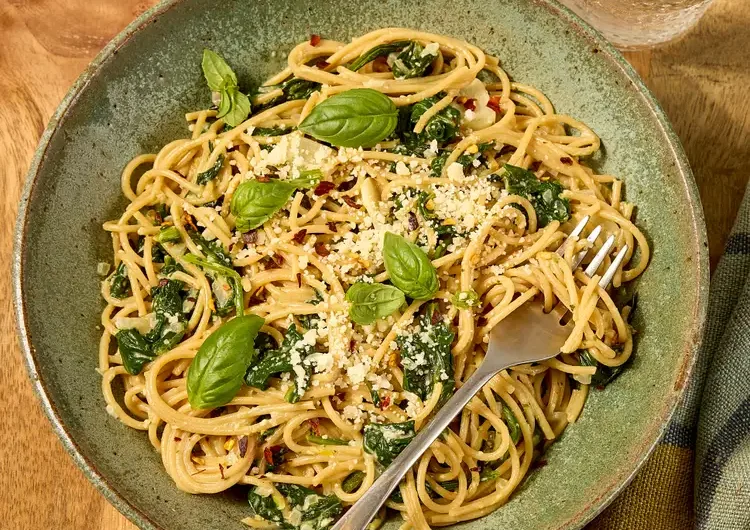
Lemon Pesto Pasta Recipe – Fresh, Easy & Ready in 15 Minutes
Course: Dinner, LunchCuisine: Italian4
servings5
minutes10
minutes480
kcalIngredients
300g pasta (spaghetti, linguine, or fusilli work best)
½ cup fresh basil pesto (store bought or homemade)
1 large lemon, zested and juiced
3 tablespoons olive oil
3 cloves garlic, minced
½ cup reserved pasta water
½ cup parmesan cheese, freshly grated
Salt and black pepper to taste
Fresh basil leaves for garnish
Red chili flakes (optional)
Cherry tomatoes, halved (optional but recommended)
- For homemade pesto:
2 cups fresh basil leaves
3 cloves garlic
¼ cup pine nuts (or walnuts as a budget alternative)
½ cup parmesan cheese, grated
½ cup olive oil
Salt and pepper to taste
Directions
- Make the pesto (if homemade). Add basil, garlic, pine nuts, and parmesan to a food processor. Pulse until roughly combined. With the processor running, slowly drizzle in olive oil until smooth and creamy. Season with salt and pepper. Set aside. Skip this step if using store bought pesto.
- Cook the pasta. Bring a large pot of generously salted water to a boil. Cook pasta according to package instructions until al dente — firm with a slight bite, not soft. Before draining, reserve ½ cup of pasta water. This starchy water is essential for building your sauce.
- Sauté the garlic. While pasta cooks, heat olive oil in a large pan over medium heat. Add minced garlic and sauté for 60 seconds until fragrant and just starting to turn golden. Don’t let it burn.
- Build the sauce. Reduce heat to low. Add the pesto to the pan with the garlic. Pour in the lemon juice and add the lemon zest. Stir to combine. Add a splash of reserved pasta water and stir — this loosens the pesto into a silky, coating sauce.
- Toss the pasta. Add the drained pasta directly into the pan. Toss everything together until every strand is well coated. Add more pasta water a little at a time if the sauce feels too thick. Remove from heat.
- Finish and serve. Add freshly grated parmesan and toss once more. Taste and adjust salt, pepper, and lemon juice as needed. Plate immediately, top with fresh basil leaves, extra parmesan, cherry tomatoes if using, and a pinch of chili flakes. Serve hot.
(Serves 4)
- 300g pasta (spaghetti, linguine, or fusilli work best)
- ½ cup fresh basil pesto (store bought or homemade)
- 1 large lemon, zested and juiced
- 3 tablespoons olive oil
- 3 cloves garlic, minced
- ½ cup reserved pasta water
- ½ cup parmesan cheese, freshly grated
- Salt and black pepper to taste
- Fresh basil leaves for garnish
- Red chili flakes (optional)
- Cherry tomatoes, halved (optional but recommended)
For homemade pesto:
- 2 cups fresh basil leaves
- 3 cloves garlic
- ¼ cup pine nuts (or walnuts as a budget alternative)
- ½ cup parmesan cheese, grated
- ½ cup olive oil
- Salt and pepper to taste
How to Make Lemon Pesto Pasta
Step 1 — Make the pesto (if homemade). Add basil, garlic, pine nuts, and parmesan to a food processor. Pulse until roughly combined. With the processor running, slowly drizzle in olive oil until smooth and creamy. Season with salt and pepper. Set aside. Skip this step if using store bought pesto.
Step 2 — Cook the pasta. Bring a large pot of generously salted water to a boil. Cook pasta according to package instructions until al dente — firm with a slight bite, not soft. Before draining, reserve ½ cup of pasta water. This starchy water is essential for building your sauce.
Step 3 — Sauté the garlic. While pasta cooks, heat olive oil in a large pan over medium heat. Add minced garlic and sauté for 60 seconds until fragrant and just starting to turn golden. Don’t let it burn.
Step 4 — Build the sauce. Reduce heat to low. Add the pesto to the pan with the garlic. Pour in the lemon juice and add the lemon zest. Stir to combine. Add a splash of reserved pasta water and stir — this loosens the pesto into a silky, coating sauce.
Step 5 — Toss the pasta. Add the drained pasta directly into the pan. Toss everything together until every strand is well coated. Add more pasta water a little at a time if the sauce feels too thick. Remove from heat.
Step 6 — Finish and serve. Add freshly grated parmesan and toss once more. Taste and adjust salt, pepper, and lemon juice as needed. Plate immediately, top with fresh basil leaves, extra parmesan, cherry tomatoes if using, and a pinch of chili flakes. Serve hot.
Benefits of This Recipe
Rich in heart healthy fats. Olive oil and pine nuts — the base of any good pesto — are both excellent sources of monounsaturated fats that support cardiovascular health, reduce inflammation, and help your body absorb fat-soluble vitamins.
Excellent source of Vitamin C. Fresh lemon juice provides a solid dose of Vitamin C per serving, which supports immune function, collagen production, and skin health. In summer heat your body needs more Vitamin C than usual.
Antioxidant rich. Fresh basil is packed with antioxidants including flavonoids and polyphenols that protect cells from oxidative damage. It also has natural anti-inflammatory properties that support overall health.
Good source of calcium. Parmesan cheese is one of the most calcium-dense foods available. Each serving of this pasta delivers a meaningful contribution toward your daily calcium needs, supporting strong bones and teeth.
Energy sustaining. Complex carbohydrates from pasta provide slow-release energy that fuels your body steadily without the blood sugar spike and crash you get from processed or sugary foods. Paired with healthy fats from olive oil and pesto, this meal keeps you satisfied for hours.
Mood and brain supporting. Healthy fats from olive oil and pine nuts support brain function and are linked to improved mood and reduced anxiety. Eating well genuinely affects how you feel mentally, not just physically.
Tips for the Best Lemon Pesto Pasta
Salt your pasta water generously. It should taste like the sea. This is your only opportunity to season the pasta itself — under-salted pasta will make the whole dish taste flat regardless of how good your pesto is.
Always reserve pasta water before draining. The starchy pasta water is what transforms pesto from a thick condiment into a silky sauce that coats every strand evenly. Don’t skip this — it makes a genuine difference.
Don’t cook the pesto on high heat. Pesto should be warmed gently, not cooked. High heat destroys the fresh basil flavor and turns the color from vibrant green to dull brown. Always add pesto to a pan on low heat.
Use freshly grated parmesan. Pre-grated parmesan from a bag contains anti-caking agents that prevent it from melting properly. Buy a block and grate it yourself — it takes 2 minutes and the flavor difference is significant.
Taste and adjust lemon at the end. Everyone’s lemon preference is different. Start with the juice of half a lemon, toss, taste, then add more if needed. You want brightness without it being overpoweringly tart.
Add protein to make it a complete meal. Grilled chicken, pan-seared shrimp, or white beans all work beautifully with this pasta and boost the protein content significantly.
Make homemade pesto when you can. Store bought pesto is convenient and works well in this recipe, but homemade pesto made with fresh basil has a flavor that’s genuinely incomparable. If you have 5 extra minutes, make it from scratch.
Frequently Asked Questions
Can I use store bought pesto? Yes, absolutely. Store bought pesto works perfectly fine in this recipe and keeps prep time minimal. Just choose a good quality one — look for pesto where basil is the first ingredient, not oil or starch.
What pasta shape works best for pesto? Long pasta like spaghetti, linguine, or tagliatelle works best because the pesto coats the strands evenly. Short pasta like fusilli and trofie also work well because the spirals trap the sauce. Avoid penne — it’s too smooth for pesto to cling to properly.
Can I make this ahead of time? Yes. Make the pasta, toss with pesto and lemon, let cool completely, and refrigerate for up to 2 days. Eat it cold as a pasta salad or reheat gently on the stovetop with a splash of water or olive oil to loosen it up.
Can I make this vegan? Yes. Replace the parmesan in the pesto with nutritional yeast and use a vegan parmesan alternative for topping. The rest of the recipe is already plant based.
Why does my pesto turn dark? Heat and oxidation both cause basil to turn dark brown. Always add pesto on low heat and toss pasta off the heat when possible. Blanching your basil leaves for 15 seconds in boiling water before blending also helps the pesto hold its bright green color longer.
Can I add vegetables? Definitely. Cherry tomatoes, zucchini, baby spinach, asparagus, and peas all pair beautifully with lemon pesto pasta. Add them to the pan before the pesto and cook for 2-3 minutes until just tender.
Is pesto pasta healthy? It depends on portions and ingredients. Made with quality olive oil, fresh basil, and real parmesan, pesto pasta is a nutritious meal rich in healthy fats, antioxidants, and complex carbs. It’s not a low calorie dish but it’s made entirely from whole, real ingredients.
Can I use a different nut in the pesto? Yes. Pine nuts are traditional but expensive. Walnuts, cashews, almonds, and even sunflower seeds all work as substitutes. Walnuts give the most similar flavor profile to traditional pesto at a fraction of the cost.
Frequently Asked Questions
Can I use store bought pesto? Yes, absolutely. Store bought pesto works perfectly fine in this recipe and keeps prep time minimal. Just choose a good quality one — look for pesto where basil is the first ingredient, not oil or starch.
What pasta shape works best for pesto? Long pasta like spaghetti, linguine, or tagliatelle works best because the pesto coats the strands evenly. Short pasta like fusilli and trofie also work well because the spirals trap the sauce. Avoid penne — it’s too smooth for pesto to cling to properly.
Can I make this ahead of time? Yes. Make the pasta, toss with pesto and lemon, let cool completely, and refrigerate for up to 2 days. Eat it cold as a pasta salad or reheat gently on the stovetop with a splash of water or olive oil to loosen it up.
Can I make this vegan? Yes. Replace the parmesan in the pesto with nutritional yeast and use a vegan parmesan alternative for topping. The rest of the recipe is already plant based.
Why does my pesto turn dark? Heat and oxidation both cause basil to turn dark brown. Always add pesto on low heat and toss pasta off the heat when possible. Blanching your basil leaves for 15 seconds in boiling water before blending also helps the pesto hold its bright green color longer.
Can I add vegetables? Definitely. Cherry tomatoes, zucchini, baby spinach, asparagus, and peas all pair beautifully with lemon pesto pasta. Add them to the pan before the pesto and cook for 2-3 minutes until just tender.
Is pesto pasta healthy? It depends on portions and ingredients. Made with quality olive oil, fresh basil, and real parmesan, pesto pasta is a nutritious meal rich in healthy fats, antioxidants, and complex carbs. It’s not a low calorie dish but it’s made entirely from whole, real ingredients.
Can I use a different nut in the pesto? Yes. Pine nuts are traditional but expensive. Walnuts, cashews, almonds, and even sunflower seeds all work as substitutes. Walnuts give the most similar flavor profile to traditional pesto at a fraction of the cost.
